

The Icelandic Dream
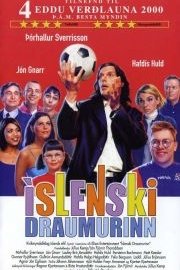
The Icelandic Dream
"A young business man looses track on reality when his obsession with soccer grows too strong"
 6.9/10
Where to Watch The Icelandic Dream

The Icelandic Dream is a satirical comedy film released in 2000. The primary star is Pórhallur Sverrisson, who is a renowned Icelandic actor. The film was directed by Róbert I. Douglas, who has skillfully handled the nuances of the storyline and characters. The Icelandic Dream is a movie that colorfully captures the Icelandic financial boom’s bizarre events and the subsequent crash thereby casting Sverrisson’s comedic abilities into sharp relief.
The movie centers around Sverrisson's character, Tomas, a typical Icelander, who dreams of making a fortune and living the great American dream without leaving his yacht in the freezing shores of Iceland. This concept becomes the bedrock of the film, and it adeptly throws light on the collective Icelandic dream of prosperity and how it often clashes with stark reality.
Tomas is embodied with all the hallmarks of a man with big dreams and meager means, making him an easily identifiable character for the audience. He is involved in a vast range of business ideas as he believes that financial success could be just around the corner—one needs only to seize an opportunity when it presents itself. The film delves into the heart of the human desire for prosperity and the length people are willing to go to achieve it.
While a lot of Tomas' plans spring from a place of ambition and optimism, they often take confusing and haphazard turns, resulting in satirical commentary on the volatile nature of entrepreneurship. The character becomes a symbol of an ever-hopeful fool who constantly tries to fetch the crops from a barren land. This approach of portraying the character allows for entertaining and often hilarious situations revolving around Tomas and his misadventures.
The Icelandic Dream is also a social commentary on the drastic economic changes witnessed by Iceland in recent decades. Outside of the relentless humor and satire, the film also makes a profound statement on the sudden and often unmanageable financial influx in the country. The Icelandic ethos, the cultural shock, and the adjustments brought about by financial booms and subsequent crashes form the backbone of the film's narrative.
The supporting characters in the film are equally colorful and help build up the comedic element, while also contributing to the critique of the society. In a sequence of somewhat random events, audiences see Tomas' family and friends plunged into unpredictable situations and in dialogues that brim with humor and irony. Love interests, family complications, and friendship dynamics exist as subplots, providing emotional depth and driving the film's storyline further.
On a technical level, the film shines bright. Róbert I. Douglas exhibits commendable direction and storytelling, effectively blending humor with tangible human struggle. The cinematography beautifully captures the essence of life in Iceland and paints a vivid picture of Tomas' universe. The film’s pacing and structure ensure that the story progresses seamlessly, maintaining the audience's interest throughout.
The performances are commendable, with Sverrisson, in particular, delivering a powerful and poignant performance as Tomas. He effortlessly encapsulates his character's optimism, foolishness, anguish, and tenderness. He expertly conveys the often contradictory emotions and drives of a dreamer stuck in the harsh realities of life. This is further heightened by the excellent performances of the supporting cast, which add depth and contribute to the movie’s overall impact.
In conclusion, The Icelandic Dream is a movie filled with humor, pathos, and keen social commentary. Led by a compelling performance from Pórhallur Sverrisson, the blend of satire and sincere character portrayal makes this Icelandic cinematic gem well worth watching.
6.9/10