

The Hypocrites
The Hypocrites
 7.8/10
Where to Watch The Hypocrites

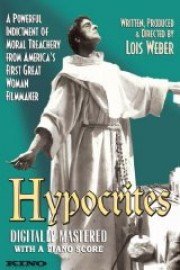
The Hypocrites, a silent film released in 1915, is a remarkable work of art in American cinematic history that sought to push boundaries and probe audiences in a way previously unseen. Helmed by acclaimed director Lois Weber, this black and white treasure stars Courteney Foote and Myrtle Stedman in leading roles, giving performances that immerse the audiences in the film’s intriguing narrative.
The Hypocrites is a powerful melodrama which unpacks profound messages using the symbolism of hypocrisy. It does this by skilfully intertwining two parallel narratives. The first of these tales is set in medieval times and centers around Gabriel (played by Courteney Foote), a sincere and passionate priest determined to illustrate the true meaning of righteousness to his congregation. After creating a sculpture of Truth, the sculpture surprisingly springs to life and takes the form of a naked woman wandering through the kingdom, her completely transparent form invisible to all those who are not pure of heart. This leads to a sequence of events that dramatically unveils the deep-seated hypocrisy found within the sociopolitical and religious institutions of the kingdom.
Simultaneously, there is a modern-day narrative cleverly dovetailed with Gabriel's story. In this narrative, a pastor (also played by Foote), is disillusioned by the duplicitousness of the contemporary society in which he lives, a world where spiritual values are trampled upon and hypocrisy runs rampant. In this story, Myrtle Stedman delivers a compelling performance as the distressed wife of the pastor, masterfully showcasing the complexity of her character caught within the crossfire of societal and personal turmoil.
Weber’s directorial masterpiece astutely analyzes the subversive insincerity deeply ingrained in many societal institutions. Weber isn't afraid to shine a spotlight on the contentious issues of her time, including religious hypocrisy, corruption, and social disparity using the medium of her film. The themes Weber presented in the Hypocrites were challenging and controversial, pushing the boundaries of early 20th-century societal norms and expectations.
The Hypocrites is loaded with iconoclastic symbolism and suggestive metaphors effectively used to deliver a statement on social and existential hypocrisy. Weber’s bold choice to visually depict "Truth" as a naked woman was an audacious and ingenious move to challenge the audience's perceptions. This provocative portrayal of Truth served to underscore hidden metaphorical truths within the film, illustrating that only those who are ‘genuine’ or ‘unclothed’ with unflinching honesty may identify it.
From a technical perspective, The Hypocrites is a testament to the innovative filmmaking techniques of early cinema. The command of light and shadows, the clever use of mirrors and double exposure, not to mention the skillful interweaving of parallel narratives, all elevate this film from simple storytelling to a masterclass in silent-era filmmaking. The engaging performances by the cast, especially those of Foote and Stedman, further reinforces the potency of this film’s narrative.
In a period where the silent film industry was dominated predominantly by slapstick comedy and overly dramatic melodrama, The Hypocrites dared to be different, integrating thoughtful storytelling and pioneering filmmaking techniques. This movie indeed possesses an uncanny prescience, where its central themes still resonate with issues seen on today's societal landscape. It is a movie that not only entertains but also prompts introspection and thoughtful dialogue.
Though born of the silent film era, Weber's The Hypocrites speaks volumes about society and hypocrisy. Despite having premiered over a century ago, its exploration of enduring human worth and societal virtue remains starkly relevant and universal.
To summarize, The Hypocrites is not just a movie, but a piece of cinematic art that maps out the perceptive interplay between society and individual spirit. With commanding performances by Courteney Foote and Myrtle Stedman, this film’s narrative has a lasting impact on its audience. A poignant reflection on societal double standards and individual veracity, this 1915 masterpiece is a must-watch for fans of silent cinema or for anyone interested in the history of American sociopolitical commentary.
7.8/10