

The History of Christianity. Lecture 28 of 30. The Reformation Reformed.
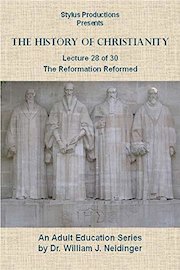
The History of Christianity. Lecture 28 of 30. The Reformation Reformed.

Where to Watch The History of Christianity. Lecture 28 of 30. The Reformation Reformed.

The History of Christianity: Lecture 28 of 30 - The Reformation Reformed features Dr. William J. Neidinger, an esteemed scholar and educator with a deep passion for exploring the intricacies of Christian history. This installment dives into the pivotal era of the Reformation, a significant period marked by theological upheaval, ecclesiastical reformation, and the questioning of long-standing traditions within the Christian faith.
As the 28th lecture in a comprehensive series, this session aims to provide viewers with a nuanced understanding of how the Reformation altered the landscape of Christianity. Dr. Neidinger's lectures are known for their rigorous scholarship, engaging presentation style, and ability to make complex ideas accessible to audiences from various backgrounds. His pedagogical approach includes a mixture of historical analysis, theological exploration, and cultural context, making this episode feel both informative and captivating.
The lecture begins by setting the historical context for the Reformation, shedding light on the cultural and political conditions in 16th-century Europe that led to widespread discontent with the Roman Catholic Church. Dr. Neidinger emphasizes the socio-political factors at play, including the rise of nationalism, the rediscovery of classical texts during the Renaissance, and the growing literacy among the populace. These elements combined to foster an environment ripe for reform and change.
Dr. Neidinger introduces key figures of the Reformation, providing a biographical exploration of individuals who defied ecclesiastical authority to advocate for theological and doctrinal reform. He delves into the life of Martin Luther, detailing Luther’s groundbreaking challenge to the Church, particularly his 95 Theses that questioned the practices of indulgences and the sale of salvation. This act is portrayed not merely as a rebellion but as a reflective turning point that resonated with wider discontent among the laity.
Throughout the lecture, Dr. Neidinger juxtaposes Luther’s revolutionary ideas with those of other reformers, including John Calvin and Ulrich Zwingli. He meticulously outlines how their differing theological perspectives shaped the landscape of Protestantism, leading to the establishment of diverse denominations and the emergence of distinctive beliefs and practices. The lecture doesn’t just focus on these individuals in isolation; it also situates their thoughts within the broader spectrum of Christian theology and practice.
As the lecture progresses, Dr. Neidinger interweaves discussions on scripture, tradition, and the nature of authority in the Church. One of the critical themes he explores is the doctrine of sola scriptura, the belief that Scripture alone is authoritative in matters of faith and practice. He skillfully analyzes how this principle spurred a reevaluation of various long-standing traditions and rituals in Christianity, provoking both conflict and growth within the faith.
The episode also highlights the consequences of the Reformation, both immediate and far-reaching. Dr. Neidinger discusses the political ramifications, including the rise of Protestant states and the consequent fracturing of the once unified Christian Church in Western Europe. He addresses how these developments incited conflict and, ultimately, wars such as the Thirty Years' War, illustrating the sometimes violent clash between differing ideologies and beliefs.
In addition to the theological and political dimensions, this lecture captures the cultural shifts accompanying the Reformation. Dr. Neidinger reflects on how the movement led to transformations in art, literature, and education. He presents how reformers emphasized literacy and encouraged personal engagement with the Scriptures, fostering a culture of inquiry and individual reflection. This cultural reawakening, he suggests, helped lay the groundwork for future intellectual movements, including the Enlightenment.
Toward the end of the lecture, Dr. Neidinger contemplates the legacy of the Reformation in contemporary Christianity. He addresses ongoing debates within Protestant communities and the continuing struggle to balance tradition and modernity. The exploration emphasizes that, while the Reformation served as a catalyst for change, its impact is still felt in the diverse expressions of Christian faith practiced today.
Overall, The History of Christianity: Lecture 28 of 30 - The Reformation Reformed is a valuable resource for anyone seeking to understand the intricacies of the Reformation and its lasting influence on Christianity. Dr. William J. Neidinger’s engaging delivery, coupled with his comprehensive analysis, ensures that viewers are not only informed but also inspired to explore the broader implications of this transformative period in Christian history. As part of a larger series that examines the evolution of Christianity, this lecture serves as a crucial pivot point, examining the reformed identity of Christianity and its ongoing relevance in a modern context.