
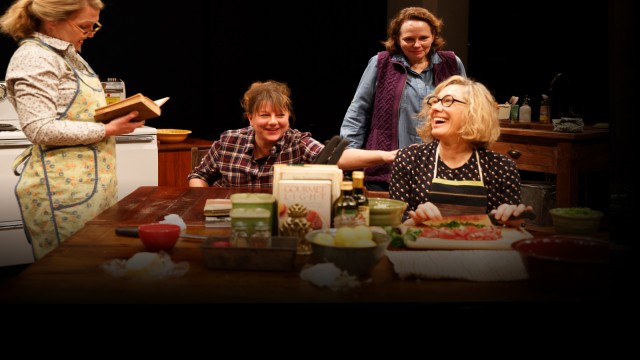
The Gabriels: Election Year in the Life of One FamilyPlay 1: Hungry

Where to Watch The Gabriels: Election Year in the Life of One FamilyPlay 1: Hungry

The Gabriels: Election Year in the Life of One Family, particularly the first play titled Hungry, is a poignant and thought-provoking theatrical experience crafted by playwright Richard Nelson. Set in a small-town family home, the narrative unfolds in a real-time setting during the pivotal moments leading up to the 2016 U.S. presidential election. The play uniquely intertwines the personal and the political, offering an intimate portrayal of a family grappling with the uncertainties of the future and the trials of contemporary American life.
The focus of Hungry is the Gabriel family, who gather in their ancestral home to discuss more than just the weather or local happenings. This gathering acts as a microcosm of the larger societal issues at play in the country, reflecting the complex tapestry of emotions, fears, and hopeful aspirations that became prominent during an election year marked by divisive politics and social upheaval. The characters’ conversations meander through various topics, revealing their differing viewpoints, personal dilemmas, and the palpable tension that often accompanies family dynamics.
At the center of the story is the character of Mary Gabriel, portrayed with extraordinary nuance by Meg Gibson. Mary operates as the emotional core of the family, balancing her nurturing instinct with a sense of frustration over the evolving landscape of her family's life. Her interactions with her family reveal not only the warmth of familial love but also the underlying currents of anxiety about what lies ahead. Gibson's performance captures the essence of a woman holding onto her traditions while confronting the shifting tides of modernity.
The play also boasts a rich ensemble of characters, including the spirited and insightful characters portrayed by Lynn Hawley and Roberta Maxwell. Each member of the Gabriel family brings their own perspective to the table, creating a dynamic interplay that highlights the complexity of their relationships. Their dialogue is lively and at times confrontational, filled with humor and heartbreak, as they navigate their fears relating to the election and personal challenges. The various viewpoints and backgrounds of family members serve to reflect the broader national conversation around the election, making it an engaging and relatable experience for the audience.
As the family engages in discussions about the candidates and their policies, it becomes clear that the stakes in the election are personal. The characters grapple with their hopes and disillusionments, reflecting the pervasive sentiment of a nation on the brink of change. Each conversation peels back layers of their shared history, revealing conflicts, unspoken tensions, and moments of unity that are both relatable and universal.
The play’s setting, a warmly decorated kitchen, serves as a backdrop for the intimate interactions and is a symbol of comfort and familiarity amidst the political storms, contrasting the anxiety of the external world with the safety of family ties. The space allows for moments of reflection, as characters reminisce about the past while contemplating the changes that are about to unfold. The use of real-time storytelling enhances the tension and urgency of the conversations, making the audience feel like they are privy to a crucial moment in the characters' lives.
The dialogue in Hungry is beautifully crafted. Nelson’s writing is sharp, natural, and infused with a sense of realism that resonates with viewers. The characters express their fears, dreams, and frustrations with eloquence, reflecting a society divided yet yearning for connection. The sincerity of their interactions encourages the audience to think about their own families and the conversations that might arise when discussing the ever-evolving political landscape.
The themes explored in Hungry transcend the immediate context of the election, examining broader concepts of identity, belonging, and the ties that bind us together. The audience is prompted to consider the impact of political events on personal lives and the intricate connections between public and private spheres. The play becomes an exploration of what it means to be a family in times of uncertainty, as the Gabriels confront not only the challenges posed by the election but also their collective future.
The Gabriels: Election Year in the Life of One Family - Hungry ultimately serves as a powerful reminder of the importance of dialogue, empathy, and understanding in navigating the turbulent waters of modern life. Through the lens of one family's experiences, the play highlights the need for connection in a time of division, making it a strikingly relevant piece of theater that resonates long after the final curtain. The emotional depth and social commentary embedded within the narrative invite audiences to reflect on their own relationships with family and their place within the larger society, making it a rich and rewarding theatrical experience.
The Gabriels: Election Year in the Life of One FamilyPlay 1: Hungry is a Drama movie released in 2017. It has a runtime of 97 min. Critics and viewers have rated it moderate reviews, with an IMDb score of 6.8..
