

The Fire Below Us | Remembering Mount St. Helens
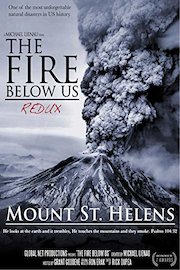
The Fire Below Us | Remembering Mount St. Helens

Where to Watch The Fire Below Us | Remembering Mount St. Helens

The Fire Below Us | Remembering Mount St. Helens is an immensely powerful, compelling, and highly engaging docudrama, which exceptionally chronicles the cataclysmic events surrounding the 1980 eruption of Mount St. Helens. Directed by George Casey, the film features a brilliant narration by renowned American television journalist and actor Grant Goodeve. The gripping retelling of one of the most violent volcanic eruptions in the United States' history in the film continues to move audiences by bringing the enormity of this natural disaster to life on the screen.
At the heart of the movie is Goodeve's sterling narration, which does a phenomenal job at setting the tone for the awe-inspiring yet harrowing journey the audience is set to embark upon. The film blends together genuine survivor narratives, original unedited footage of the event, and interviews with experts who help understand the planetary science behind the eruption. The strong interplay among these elements lends the film an unmatched authenticity and provides viewers a comprehensive, all-rounded perspective of the occurrence.
Opening with breathtaking shots of the majestic volcano pre-eruption, the audience is introduced to the scenic splendor that Mount St. Helens once was, nestled in the heart of Washington State. The film then captures the sequence of events that led up to the fateful morning of May 18, 1980, when Mount St. Helens erupted and transformed from being a natural beauty into a destructive force of nature.
The film skillfully manages to recreate the eruption and its aftershocks with a strikingly realistic and authentic feel. As Goodeve's narration unfolds, the images of the mountain disintegrate, forests flatten, rivers boil, and ash clouds envelop the sky. To amplify the overall impact of events, actual recordings of scientific reports and news broadcasts from the significant incident are incorporated, which only add to the sense of alarm and urgency the film strives to translate to its viewers.
One of the most captivating aspects of The Fire Below Us | Remembering Mount St. Helens is the extraordinarily haunting survivor testimonies. People who experienced the eruption first-hand describe their experiences, sharing tales of disbelief, terror, loss, and ultimate survival. Their recollection of the sudden magnitude of the event heightens the reality of what occurred. The film also tries to touch upon the human cost— lives lost, communities devastated, and the extensive environmental damage caused by the eruption.
Parallelly, expert insights and interviews interspersed throughout the film unravel the scientific dimension of the catastrophe. Geologists, volcanologists, and other earth scientists explain the buildup to the eruption, the course the eruption took, and the aftermath it left behind. This detailed analysis ensures that the audience not only witnesses the devastating effects of the calamity but also understands what led to such an outbreak and why.
The film concludes with a surprising yet informing note on the slow but consistent recovery of the ecosystems around the volcano. Several years after the eruption, one can see the triumph of nature as sprigs of life emerge from the volcanic ash. A showcase of resilience, the film narrates how flora and fauna are attempting to regain their hold, transforming the destruction into a living laboratory for the study of ecological recovery.
In a nutshell, The Fire Below Us | Remembering Mount St. Helens constitutes an important historical artifact that talks about Mount St. Helens's eruption with depth, authenticity, and sensitivity. It is a touching commemoration of a chapter in American history marked by astonishing natural power and shocking destruction. This beautifully crafted film resonates highly as one of the most realistic, elaborate, and instructive documentaries that leave a lasting impact on its audience with its humane and scientific narrative. Thanks to Grant Goodeve's charismatic narration and a well-researched script that retains a relatable human element, this film remains a compelling watch for nature enthusiasts, history buffs, and general audiences alike.