

The Chocolate Case
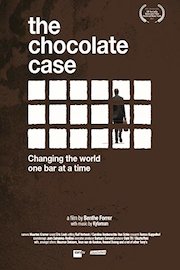
The Chocolate Case

Where to Watch The Chocolate Case

The Chocolate Case is an engrossing Dutch documentary that focuses on ethical consumption and Corporate Social Responsibility. Originally titled "Tony: Van Chocolonely tot slaafvrije,” the film rides on a journey from Amsterdam to Ivory Coast and Ghana. The principal characters of the film, Teun van de Keuken and Roland Duong, are Dutch journalists known for their poignant process of storytelling that connects the audience with the realities of unethical practices in a mainstream industry.
At the heart of The Chocolate Case is an issue that gets lost amidst the enticing coats of sweet treats— child labor and slavery in the cacao industry. Teun and Roland initiate a daring mission to illuminate this dark side of the chocolate business. Our enticing bars of chocolate start from the rural farms of West Africa, where the cocoa beans are grown. The documentary launches its investigative lens in the beautiful landscapes of Ivory Coast and Ghana; however, these places are also the hotbeds of the cocoa trade, which hides agonizing tales of forced labor and child slavery.
Teun van de Keuken and Roland Duong are the leading journalists in this groundbreaking exposé who don’t simply act as passive presenters. They are initiators, provocateurs, and willing participants in the narrative they hope to reveal. Early in the film, Teun even turns himself in as a criminal, pleading guilty to aiding and abetting child slavery by consuming chocolate, in a dramatic stand against the blindly accepted industry standards.
The Chocolate Case vividly depicts the reality of an issue, people in affluent countries too easily forget or ignore. It balances these hard-hitting truths with moments of lightness and positive action, following Teun, Roland, and their team as they grapple with the question of what they – and we, the viewers – can do to enact change. Their ambitious solution is to launch their own “slave-free” chocolate brand, known as ' Tony’s Chocolonely.'
This documentary's shifting terrain is not only the West-African cocoa plantations that serve the insatiable global appetite for chocolate but also the corporate meeting rooms and legal courthouses in the European spaces. It beautifully juxtaposes the greed and detached executive decisions made in austerely lit boardrooms and the harsh realities of life on the cocoa farms.
The Chocolate Case forces us to confront the uncomfortable fact that our own pleasure may be predicated on the suffering of others. It asks if child labor and slavery are the high, hidden costs of the sweet treat that people enjoy across the globe. With its dramatic premise and profound immersive journalism, this documentary secularizes the reality of slavery within the cacao industry, thereby forcing every chocolate lover to question and consider their choices.
This film is undoubtedly an often discomforting journey into the heart of our consumer society and our relationship to it. Yet, it is also an inspiring tale of how a small group of committed individuals can start a movement to shake a global candy business and spark major change. This documentary is a potent mix of the prosaic and profound, the tragic and hopeful, and a compelling demonstration of a situation that is both lamentably global and shockingly close to home.
All in all, The Chocolate Case presents an accessible, impactful, transportive experience that provides a behind-the-scenes look into an industry we thought we knew. It implores the viewers to think deeply about the cost of their consumption and consider their role in perpetuating or combating these troubling practices. The film does an excellent job of enlightening us about the dark side of the chocolate industry while offering the hopeful message that every individual can make a difference.