

The Battle for Orgreave
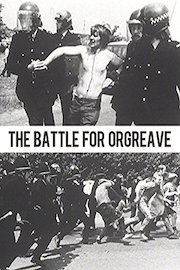
The Battle for Orgreave

Where to Watch The Battle for Orgreave

The Battle for Orgreave is an outstanding reenactment documentary film that vividly brings to life one of the defining moments of the UK miners' strike. The 60-minute film, conceptualized and directed by Mike Figgis and renowned artist Jeremy Deller, was produced in 2001, yet, its subject matter goes back considerably to an event of British history in 1984.
The film's title, "The Battle for Orgreave," refers to an infamous confrontation between police and miners at the Orgreave Coking Plant in South Yorkshire during the 1984-85 nationwide UK miners' strike. The confrontation, often referred to as the 'Battle of Orgreave', was a key turning point in the history of the British labor movement and the Thatcher government's confrontation with the unions. The documentary film provides an innovative dramatization of this significant day, highlighting its profound political and cultural implications.
The Battle for Orgreave employs a deep and sophisticated blending of historical reenactment and contemporary documentary filmmaking techniques. Directed by a seasoned filmmaker, Mike Figgis, who is well-known for his narrative and experimental films, and organized by Turner Prize-winning artist Jeremy Deller, the film showcases their unique artistic and cinematic talents. Simultaneously, it adds a new dimension to understanding historical occurrences, particularly events fraught with significant political and societal difficulties.
The documentary's center is the meticulously crafted reenactment of the events on June 18th, 1984. The preparation for and the action of this reenactment are woven into the fabric of the film. Over 800 participants, including many of the original miners and police who were involved in the real events, acted out the reenactment. The expanded cast also includes members of historical reenactment societies as well as local residents. The reenactment presents a firsthand perspective of the coal miners fighting for their livelihoods against the backdrop of hard enforcement from the British state. This unique exploration into the heart of the conflict augments the viewer's understanding of the strife, making it anything but a distant historical event.
Parallel to the reenactment, the film features interviews with veterans from both sides of the confrontation. It draws on the perspectives and personal experiences of these individuals to paint a multi-faceted picture of the past. In its execution, The Battle for Orgreave toes the line between a documentary and an art-house film, taking viewers on a journey that is factual, yet emotionally resonant.
The film successfully embodies a sense of due process in delving into the stories beneath the notable struggle. It is a must-watch for those interested in the history of British labor movements, investigating the socio-political dynamics wrapped around major historical events. The Battle for Orgreave deftly allows audiences to also appreciate the broader story of post-industrial Britain, confronting the profound effects of deindustrialisation on local communities.
The Battle for Orgreave is not just a retelling of an important historical event. It is an exploration and even a critique of representation, historical memory, and the narratives that we construct about our pasts. By presenting this dramatic re-staging of the notorious event, the film places viewers in the midst of the struggle, using cinema as a medium to reimagine and reinterpret history.
In summary, The Battle for Orgreave is an impactful documentary that stands out for its unique filmmaking approach. It shows how art and history can merge to bring forth an intimate reflection on defining moments. This film masterfully navigates through the annals of time to ensure that the truths of Orgreave — a critical moment in Britain's legacy of resistance and struggle— endure.