

Tell Them We Are Rising: The Story of Historically Black Colleges and Universities
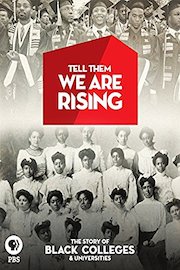
Tell Them We Are Rising: The Story of Historically Black Colleges and Universities

Where to Watch Tell Them We Are Rising: The Story of Historically Black Colleges and Universities

Tell Them We Are Rising: The Story of Historically Black Colleges and Universities is an illuminating documentary film that offers a profound exploration into the rich history, compelling development, and invaluable societal roles of historically black colleges and universities (HBCUs) in the United States. This thought-provoking film is directed by Stanley Nelson, an award-winning filmmaker known for his commitment to documenting essential components of the African American experience.
As the title suggests, Tell Them We Are Rising presents a narrative of rising up against circumstances, persistent resistance, survival, and transformation. The film delves deep into the birth and evolution of HBCUs, institutions that were emerged in a time of racial segregation, where Black individuals were barred from education in mainstream white institutions. The role of HBCUs has faced tremendous neglect in mainstream historical accounts. The film addresses this gap by placing HBCUs in the context of American history, highlighting their striking importance in providing a demographic, previously subjugated to slavery and segregation, access to quality education and opportunities for upward mobility.
The narrative commences from the tumultuous era following the Civil War, opening doors to the establishment of HBCUs as an unexpected consequence of reconstruction. As the film progresses, it charts the evolution of HBCUs through centuries that faced radical socio-political changes. Through this journey, Tell Them We Are Rising paints a vivid portrait of resilience, ambition, and empowerment embedded in these institutions.
The film stands out for its blend of personal narratives and historical documentation. It isn't just a dry repository of dates and facts. A plethora of personal anecdotes from HBCU alumni of different generations, scholars, historians and archival materials breathe life into this historical tale. Their narratives help to understand how these institutions were instrumental in nurturing generations of African American leaders, scholars, artists, and activists. It highlights the role these institutions have played in molding the social, intellectual and cultural life of Black America.
The courage, determination, and perseverance that have carried these institutions through times of adversity are mirrored in the personal stories of the students. Their collective experiences echo the spirit of resistance, demonstrating the power of education as a tool of empowerment. Their stories also help the viewers understand the unique atmosphere of HBCUs, where Black students were, and continue to be, free from racial prejudice and are encouraged to explore their identities, heritage, and potential.
Nelson's critical perspective doesn't shy away from presenting the challenges and controversies which surrounded HBCUs over the years. The film touches upon various critical phases, like the Civil Rights Movement and the contemporary scenario, demonstrating the flexible adaptations these institutions have made over time to ensure the continuity of their vision amidst changing socio-political landscapes.
Director Stanley Nelson impressively strikes a balance between celebrating the historic contributions of these institutions and acknowledging the obstacles they faced. He employs a captivating storytelling approach, studded with poignant moments, infusing the narrative with a spirit of resilience.
Packed with powerful visual storytelling techniques, Nelson effectively utilizes archival footage, photographs, and external vignettes to shape the narrative of the film. This visual diversity combined with a gripping narrative makes for a compelling viewing experience. Coupled with the powerful and evocative storytelling, the film's cinematography effectively encapsulates the struggles, ambitions, and triumphs of these institutions and their students.
The enriching musical score of Tell Them We Are Rising stands as another strong element of the film. The music composed by Tom Phillips seamlessly threads together the diverse eras and narratives, enhancing the emotional depth and resonance of the film.
From the perspective of film-making, Tell Them We Are Rising stands out for its excellence in storytelling, cinematography, and music. From a historical viewpoint, it is an important and necessary document serving to enrich our understanding of a significant, yet overlooked, aspect of American history.
Tell Them We Are Rising: The Story of Historically Black Colleges and Universities is more than a simple historical account. It is an invitation to viewers to understand and appreciate the enduring legacy of HBCUs, their historical context, present-day relevance, and future implications. Above all, this film serves as a tribute to the undying spirit of resilience that these institutions and their students have displayed, and continue to display, in the face of systemic racism and adversity.