

Still The Enemy Within
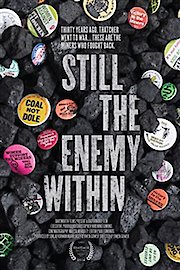
Still The Enemy Within
 7.8/10
Where to Watch Still The Enemy Within

Still The Enemy Within is an exceptional and eye-opening documentary set in the United Kingdom during a period of severe societal and economic strife. The 2014 film tells the powerful, provocative story of one of the most controversial instances of industrial action in recent British history - the Miners' Strike of 1984-85. The film primarily revolves around its principal personalities - Norman Strike, Paul Symonds, and Steve Hammill, who all played an instrumental part in this historical event.
Directed by Owen Gower and produced by Sinead Kirwan and Mark Lacey, the film was initially released in November 2014 and runs for approximately 112 minutes. It uses a blend of personal accounts, dramatic reenactments, archived footage, and insightful interviews, to offer spectators a chronicle of the labour strike that shook the United Kingdom.
The conflict at the heart of the film is set forth in the context of the Thatcher government's attempts to shut down the National Union of Mineworkers (NUM). The documentary explores the reasons behind the strike, the experiences of the miners, their families and communities, and the consequences it had on the United Kingdom. The film offers a poignant look at not just the political and economic landscape of the era, but also the emotional journey of the participants involved in the miners' strike.
Norman Strike, one of the key protagonists in the film, provides an insightful, personal perspective of the event. A coal miner from the North East of England, Strike delivers a captivating narrative about his experiences throughout the strike and the struggles faced by his commmunity. His wrenching firsthand accounts as one of the strikers make for compelling viewing and shed light on the personal sacrifices made by the workers during this tumultuous period.
Paul Symonds also offers his side of the strike. His character helps to unravel the politics at play during this era and the manipulations performed by those in power. His narratives offer a contrasting view on the dispute, supplying an essential counterpoint to the other personal stories.
Accompanied by Steve Hammill, they together help paint a full picture of this particularly noteworthy moment in modern British history. Hammill’s narratives underscore the complicated, hostile relationship between the miners and the police during the strike, which further compounds the overall narrative of the movie.
By means of interviews, personal testimonies, and archive footage, the film recreates the conditions of the strike, the personal struggles faced by the miners and their families, and the broader societal and political implications of the dispute. It shows how the strike was not only a rumble between the government and the unions, but also a battle for the future of the mining communities and the whole working class.
Still The Enemy Within is a potent narrative piece that does not shy away from delivering the harsh realities of the strike. The film is unique in the fact that it offers a critical, historical viewpoint but refrains from taking a neutral stance. The filmmakers make it clear that they align with the miners and blame the government of that era for the collapse of the UK mining industry. Yet, they do not attempt to paint the miners as saints, acknowledging their mistakes and shortcomings.
The film received critical acclaim for its unvarnished depiction of a historical event often overlooked in mainstream media. It won the Audience Award at the Sheffield International Documentary Festival in 2014 and was nominated for various other awards in different festivals.
Still The Enemy Within is a potent and moving documentary that brings to light an important chapter of recent British history, but the cinematographic brilliance of the movie combined with its rich, gripping narrative ensures that this film stands out as more than just a history lesson. With unforgettable personalities such as Norman Strike, Paul Symonds, and Steve Hammill leading the narrative, this film offers an exclusive insight into one of the most significant labor standoffs in the 20th century.
7.8/10