

Stealing Rodin
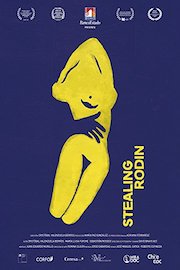
Stealing Rodin

Where to Watch Stealing Rodin

Stealing Rodin is a Chilean documentary film, directed by Cristóbal Valenzuela Berríos and produced by María Paz González in 2017. As the title suggests, the film intricately unravels the theft of a billion-dollar sculpture in 2005 at the National Fine Arts Museum in Santiago, Chile. This theft was Chile's most notorious and lucrative art heist which shocked the nation's and the international world of art, and this documentary provides an in-depth look at the bizarre and bewildering events that ensued.
The film mainly revolves around the protagonist, Luis Emilio Onfray, an already controversial art student, who decided to steal the world-famous French sculptor Auguste Rodin's artwork, The Torso of Adèle. The film tracks Luis from his initial act of theft through the ensuing chaos and court cases. Without giving away the punchline, the narrative also presents the humorous, absurd, and occasionally perplexing aftermath of the theft.
The main narrative thread of Stealing Rodin moves at a swift pace, presenting intriguing moments from the theft, subsequent police investigations, media interventions, and courtroom battles. Interleaved with the main plot, the film also offers broad discussion on aspects of contemporary art, its authenticity and value, the boundary crossing often involved within the art world, and public reactions to audacious art thefts.
The complex character of Luis Onfray, presented through interviews and archival footage, is explored in depth – a reckless Art student, who committed one of the great sacrileges in the art world. His motivations, whether that of an artist provocateur testing the boundaries of institutional trust, or merely grandstanding for spectacle - form an enigmatic subplot in the narrative.
Director Cristóbal Valenzuela Berríos approaches the subject matter with a light touch mixed with intense fascination. The film does not just follow the story of an audacious theft, but also delves into the wider themes of art value, authenticity, and society's reaction to transgressive acts within the art world.
The pacing of the documentary is excellent, keeping the audience constantly engaged with bits of intrigue, discussion about art and its place in society, and a fantastic look into someone bold enough to steal from a national museum.
Director Cristóbal Valenzuela Berríos uses the storyline to make broader points about the art world, the market's value of art, the media's handling of art scandals, and the public's fascination and confusion over modern art and its interpretation. In particular, the film teases out philosophical debates about the difference between an original and a fake, and the intrinsic and attributed values of artworks.
The filmmaking style of Berríos is at once engaging and enlightened. His use of archival news footage, courtroom documents, and personal interviews provide an easy-to-follow narrative that still delves deep into the complex themes surrounding Luis’ theft. The film's compelling combination of mystery, philosophy, and art history, along with its lively tempo, quickly draws viewers into the scandal's perplexing vortex.
Adding to the film's dynamic progression, the soundtrack composed by Ignacio Pérez Marín is noteworthy. It adds the necessary dramatic nuances and light-hearted tenor to the unfolding of events. The cinematography, coupled with artful editing, also played a brilliant role in elucidating the temporal, spatial, and contextual shifts within the narrative.
All in all, Stealing Rodin offers an unprecedented look into one of the most audacious art thefts in Chile's history. Additionally, it presents a thoughtful reflection on the societal perception of art, its institutional handling, and the grey areas that exist within concepts of originality and authenticity in the domain of art. It is an engrossing watch, especially for those fascinated by art, art history, or even true crime. As controversial as its leading character, the film is sure to ignite profound discussions about the value, perception, and the provocative nature of contemporary art.