

SHUDRA
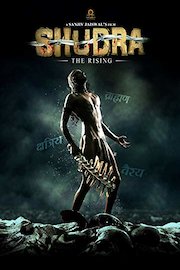
SHUDRA

Where to Watch SHUDRA

Shudra: The Rising is a socio-drama film that was released in India in the year 2012. Directed by Sanjiv Jaiswal, the film stars Shree Dhar Dubey and Kirran Sharad in pivotal roles. This hard-hitting piece of cinema, set in ancient India, primarily focuses on the caste system, emphasizing the condition of the Shudra community.
The film is an attempt to bring forward the discrimination and horrifying realities faced by the Shudra caste during that era. The story revolves around the regimented and systematic social order in ancient India, a society thoroughly divided upon the basis of an individual's birth.
Shree Dhar Dubey's portrayal of Shudra's main character draws in the audience's empathy and understanding owing to his credible performance. This character's struggles, derived from the gross injustices perpetrated by the caste system, form a substantial part of the story.
The film also sees Kirran Sharad, who delivers an equally commendable performance. As she moves through her role, she unravels the multi-layered biases faced by Dalit women — a reality that reflects the nuances of the social hierarchy and gender dynamics existing during those times. Her character, while sarisfying the essentials of the story, also adds a necessary emotional depth to the plot.
Shudra: The Rising makes it clear from the beginning that it is not easy viewing. It is a film meant to make the viewer uncomfortable, to question the society we live in. The movie dives deep into the dark chapters of Indian history, emphasizing the life of labor, abuse, and degrading humiliation endured by the so-called lowest caste.
Intertwined with the narrative are several sub-plots that explore the various ways in which the caste system has oppressed its people. Each subplot serves as a critique of the caste system and its effect on society.
The film also showcases a staggering amount of research and commitment to historical accuracy. The makers of the film have painstakingly brought together elements from ancient Indian society, such as the attire, dialects, customs, rituals, mannerisms, and languages, rendering an authentic feel to the storyline.
Furthermore, the cinematography and the music score serve as vital narrative tools. They are used successfully to portray the poignant and harsh reality of the rampant social injustice. The raw and realistic visuals combined with the haunting background score draw strongly emotive imagery, serving to heighten the overall impact on the viewer.
Although set in an older historical context, Shudra: The Rising also subtly mirrors some bitter societal truths of modern times. It places before the audience the harsh reality of an outdated and inhuman social system and provokes debate and discussion.
While the film gives an unflinchingly honest portrayal of the societal norms back in time, it also subtly offers a comparative reflection of the modern social scenario, bringing forth the understanding that while we have come a long way since then, many deeply rooted social prejudices still persist.
Shudra: The Rising is a thought-provoking cinematic experience that doesn't shy away from showcasing the cruel and harsh reality of casteism. It is a film of relevance, worthy of deep contemplation, and more importantly, it is a call for change. Despite being a historical drama, it raises questions that are steeped in the modern context and demands reflection on the part of its audience.
In conclusion, Shudra: The Rising is a socio-political film that attempts to unmask the grim reality of caste discrimination in ancient India. It is a powerful, well-researched, and realistic portrayal which uses the power of cinema to inspire a much-needed conversation about societal norms and biases.