

Roger Williams: Freedom's Forgotten Hero
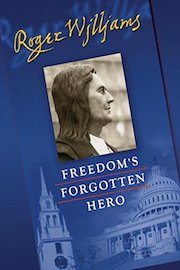
Roger Williams: Freedom's Forgotten Hero

Where to Watch Roger Williams: Freedom's Forgotten Hero

Roger Williams: Freedom's Forgotten Hero is a historical drama that brings to life the remarkable story of Roger Williams, a figure often overshadowed in the annals of American history. Directed with a careful eye for detail, the film is anchored by the compelling performances of Edwin S. Gaustad and Keith Francis, who portray the complexity of this early advocate for religious freedom, separation of church and state, and the rights of indigenous peoples.
Set in the early 17th century, the film takes viewers back to a time when the New World was fraught with religious conflict and colonial ambition. Williams, a Puritan minister, arrives in the Massachusetts Bay Colony with aspirations of creating a society founded on principles of liberty and tolerance. However, his beliefs soon put him at odds with the dominant religious authorities, leading to his exile from the colony for promoting ideas that were deemed radical and dangerous at the time.
As the film unfolds, it delves into Williams's philosophical explorations and unwavering commitment to his principles. He contended that the church should be free from governmental interference, a notion that directly challenged the prevailing views of the period. The tension between Williams and the theocratic leaders of the Massachusetts Bay Colony is palpable, as they see his doctrines not only as a threat to their authority but as a possible catalyst for civil strife. The film effectively captures these conflicts, providing a window into the ideological battles that shaped early American thought.
The cinematography enhances the storytelling, vividly recreating the rugged landscape of early colonial New England. Viewers are drawn into the harsh realities of life during this tumultuous period, from the struggles of everyday survival to the grander themes of freedom and justice. The film’s aesthetic captures both the beauty and the brutality of the era as Williams navigates his complex relationship with the land and its inhabitants.
Williams’s deep reverence for the indigenous peoples of the region is another integral element of the narrative. At a time when colonial settlers often viewed Native Americans through a lens of suspicion and hostility, Williams advocated for fair treatment and understanding. His interactions with the Native tribes offer a poignant critique of colonial attitudes and provide insight into his multifaceted character. The film portrays these relationships with sensitivity, emphasizing Williams’s role as a bridge between two worlds and highlighting the often-overlooked histories of Native Americans.
The film's pacing allows for thoughtful reflection on Williams's journey, as it explores not only the external conflicts he faces but also his internal struggles. Doubt, fear, and hope inhabit his psyche as he is confronted with the consequences of his beliefs. The screenplay beautifully weaves together historical facts with poignant character development, ensuring that the film resonates on both an emotional and intellectual level.
Keith Francis's portrayal of Roger Williams brings a compelling depth to the character. His performance embodies Williams's fervor and conviction, while also allowing moments of vulnerability that humanize this larger-than-life figure. The chemistry between the actors enhances the narrative and further immerses the audience in the moral dilemmas that Williams grapples with throughout the film.
The score complements the film’s layered storytelling, offering a rich auditory backdrop that underscores the emotional weight of the narrative. The music, along with careful sound design, evokes the spirit of the time and heightens the tension of crucial scenes, drawing viewers even deeper into Williams's world.
At its core, Roger Williams: Freedom's Forgotten Hero is a meditation on the enduring struggle for liberty and conscience. It raises essential questions about the meaning of freedom, the role of religion in public life, and the moral responsibilities of individuals in the face of institutional power. The film invites viewers to think critically about the foundations of American democracy and the principles that continue to challenge us today.
The ending is not a conventional resolution; instead, the film leaves audiences with contemplative questions that linger long after the credits roll. It serves as a reminder of the ongoing quest for freedom and justice, echoing Williams's belief that liberty is a fundamental human right.
In conclusion, Roger Williams: Freedom's Forgotten Hero is a powerful and timely exploration of one man’s fight against the forces of conformity and oppression. It celebrates the courage it takes to stand up for one’s beliefs and the importance of fostering understanding and compassion in a divided world. With exceptional performances and a thought-provoking narrative, this film is a vital addition to the canon of historical dramas that illuminate the complexities of America's past.