

Riding The Rails of WWII
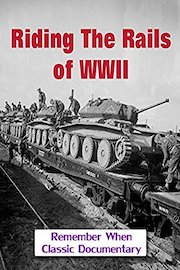
Riding The Rails of WWII

Where to Watch Riding The Rails of WWII

Riding The Rails of WWII is a poignant documentary that delves into the lesser-known experiences of American youth during World War II, focusing on the phenomenon of train hopping. Set against the backdrop of the 1940s, the film explores how young men and women from various backgrounds took to the rails in search of adventure, purpose, and a chance to contribute to the war effort.
The narrative unfolds through a combination of archival footage, interviews, and personal stories, vividly painting a picture of the era's complexities. Viewers are transported back to a time when the country was enmeshed in conflict and uncertainty. The film opens with a historical overview of America on the brink of war, highlighting the anxieties and aspirations that permeated everyday life. This context is essential, as it sets the stage for understanding the motivations behind the youth’s decision to ride the rails.
As the documentary progresses, it introduces a cast of characters—teenagers and young adults who share their experiences of hopping boxcars and freight trains. These narratives are compelling and insightful, ranging from tales of camaraderie and friendship to stories filled with risk and danger. Through their eyes, the audience witnesses the allure of the open railroads, representing freedom and opportunity in a time consumed by turmoil.
One of the film's central themes is the spirit of adventure that defined this generation. With many young men away at war, young women too sought ways to engage with the fabric of the nation’s war effort. They did not shy away from the dangers of train riding; instead, they embraced the freedom that came with it. Riding the rails became a rite of passage, an act of defiance, and a mode of survival. The stories illustrate how these journeys led them to various centers of military activity, factories, and communities involved in the war effort.
Riding The Rails of WWII carefully intertwines personal accounts with broader historical context, underscoring how the experiences of these young riders were reflective of the societal shifts occurring during the war. For many, train hopping was not just an escape from their daily lives; it was a way to navigate a rapidly changing world. The documentary takes a deeper look at the social dynamics of this time, discussing class differences and the impact of the war on individual aspirations.
The filmmakers employ a rich array of visual elements, from photographs and animated sequences to sound bites from period music. These choices evoke a powerful nostalgia, enveloping viewers in the sights and sounds of the era. The score, accompanied by the rhythmic clattering of trains, enhances the viewer's sense of journey and exploration.
In addition to the thrill of adventure, the documentary does not shy away from the harsh realities faced by these young rail riders. It touches upon the dangers associated with train hopping, including the risk of injury, arrest, and the moral dilemmas involved in trespassing on railroad property. Yet, the film maintains an overall tone of resilience and hope, emphasizing the optimism that many riders held amidst the uncertainties of war.
With a narrative woven through collective memory, Riding The Rails of WWII serves as a tribute to the indomitable spirit of a generation. While the primary focus is on their adventurous exploits, the documentary also poses reflective questions about the impact of war on youth and the quest for belonging during tumultuous times. It invites audiences to consider the sacrifices made by those who rode the rails—not just in terms of personal ambition but also for the collective good.
Furthermore, the documentary features the voices of historians and wartime experts who provide critical analysis and context to the narratives shared by the young riders. Their insights help place the experiences of the rail riders within the larger tapestry of American history, making the film an educational experience as well as an emotional one.
Riding The Rails of WWII ultimately leaves viewers with a sense of contemplation about the power of youth, the search for identity, and the courage to pursue one's dreams during challenging times. It serves not only as a historical account but also as an invitation to remember and honor those who sought freedom and purpose in the face of adversity. Through the lens of railroads, the film connects past and present, encouraging discussions about the enduring quest for adventure and meaning in the lives of young people everywhere.