

Return to Vietnam
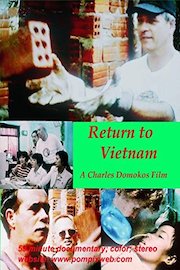
Return to Vietnam

Where to Watch Return to Vietnam

Return to Vietnam is a poignant documentary film that invites viewers on a reflective journey through the landscapes and memories of Vietnam, embracing the historical, cultural, and personal narratives that intertwine within this rich nation. The film, released in 2008, serves as a deliberate homage to the resilience of the Vietnamese people and the lasting impact of the Vietnam War, while also emphasizing the importance of reconciliation and understanding in the aftermath of conflict.
The movie begins with a contemplative tone, featuring interviews with individuals who have personal connections to Vietnam. These connections vary widely, encompassing veterans who served during the war, Vietnamese citizens who lived through the tumultuous years, and descendants of those involved who seek to understand their family histories. The filmmakers deftly weave together these interviews to create a multi-layered narrative that reflects the complexity of identity and memory shaped by historical events.
Visually, Return to Vietnam is breathtaking. The cinematography captures the stunning landscapes of Vietnam, from the lush rice paddies of the countryside to the bustling streets of Ho Chi Minh City. The contrasting images of peace and war are presented with sensitivity, allowing viewers to appreciate the beauty of Vietnam alongside the somber reminders of its past. The filmmakers thoughtfully juxtapose scenes of present-day life with archival footage and photographs, painting a vivid picture of how the country has evolved over the decades since the war's end.
One of the core themes of the documentary is the exploration of reconciliation. As the film follows various individuals on their return to Vietnam, it delves into their emotional experiences and the personal journeys of healing they undertake. For many veterans, returning to Vietnam is not just an act of nostalgia but a means to confront the guilt, pain, and unresolved emotions related to their experiences during the war. The filmmakers allow these subjects to share their vulnerability and the transformative power of returning to a place that once represented conflict and pain, now seen through the lens of growth and hope.
The documentary also highlights the perspectives of Vietnamese citizens who lived through the war, capturing their memories and experiences with raw honesty. These narratives shed light on the resilience and strength of the Vietnamese people, showcasing their ability to rebuild their lives and embrace a future of unity. The film emphasizes the importance of storytelling as a tool for understanding and empathy, encouraging viewers to consider the broader human experiences that connect individuals across cultures and generations.
Music plays an integral role in Return to Vietnam, with a soundtrack that beautifully complements the emotional weight of the narratives being shared. Traditional Vietnamese music interlaced with contemporary pieces enhances the atmosphere, echoing themes of nostalgia and reflection. The sound design invites viewers to immerse themselves in the cultural richness of Vietnam, further bridging the generational gaps and diverse experiences depicted throughout the film.
As the documentary unfolds, it seeks to address the complexities of memory and history. It presents a nuanced exploration of how the past continues to shape the present, urging viewers to reflect on their own understandings of conflict, healing, and the stories that define us. The film does not shy away from the painful realities of war, yet it offers a message of hope and resilience, recognizing that the bonds formed through shared experiences are essential in fostering understanding and peace.
Return to Vietnam ultimately serves as a reminder of the power of human connection in the face of adversity. It encourages both reflection and dialogue, synthesizing the diverse perspectives of those affected by the war into a cohesive understanding of history. As the film concludes, audiences are left with a sense of closure but also a curiosity to further explore the intricate narratives that shape not only Vietnam but also the broader human experience.
In essence, Return to Vietnam stands as a significant work that resonates with anyone seeking to understand the interplay of history, memory, and cultural identity. It is a call to recognize both the pain and beauty found in our shared histories, inspiring viewers to engage with the world around them through empathy and respect. The documentary is not merely a recounting of the past, but a vibrant exploration of humanity's capacity to heal, connect, and grow despite the shadows of conflict.