

Restorative Justice - Documentary 2 Pack
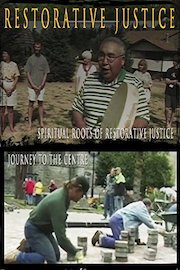
Restorative Justice - Documentary 2 Pack

Where to Watch Restorative Justice - Documentary 2 Pack

Restorative Justice - Documentary 2 Pack is a powerful and thought-provoking 2013 film that explores the transformative concept of restorative justice through a series of insightful narratives and interviews. Starring Michelle Elaine, Tom Long, Janell Peyton, and Michael Humphrey, this documentary delves into the experiences of individuals affected by crime and conflict, as well as the broader implications of restorative practices for society.
The documentary is structured as a dual-pack, featuring two films that collectively present a comprehensive understanding of restorative justice. This approach offers a multifaceted view of how restorative justice can serve as a viable alternative to traditional punitive justice systems. Throughout the films, viewers are introduced to a range of stories that highlight the human capacities for forgiveness, healing, and personal growth.
The first segment immerses the audience into the lives of individuals who have suffered trauma due to criminal acts. Interviews with victims provide a heartfelt glimpse into their pain, struggles, and yearning for closure. Unlike conventional narratives that focus solely on punishment for perpetrators, this film emphasizes the importance of dialogue, understanding, and empathy in the recovery process. Victims share their journeys towards healing and how restorative practices have contributed to their ability to move forward. Their testimonies serve to underscore the emotional impact of crime, not just on the immediate victims, but also their families and communities.
Transitioning from victims' stories, the documentary shifts focus to the individuals who have perpetrated the crimes. This part of the film encourages reflection on the backgrounds and motivations of offenders, prompting a deeper understanding of the factors that lead to criminal behavior. Through candid interviews, viewers are introduced to the complexities of their lives, illustrating that there is often more to the story than the act itself. The film emphasizes the idea that many offenders are also shaped by difficult circumstances, choice, and the potential for redemption. This crucial perspective fosters empathy and challenges the audience to reconsider preconceived notions about justice and accountability.
In a pivotal aspect of the documentary, viewers are introduced to the concept of restorative circles—structured dialogues where victims, offenders, and community members come together to discuss the impact of the crime. These gatherings serve as a platform for honest communication, where feelings of anger, sadness, and hurt are expressed openly. The film captures the profound moments in these circles, highlighting the cathartic experience for both victims and offenders. The raw emotions shared during these dialogues often lead to meaningful insights and acknowledgments of harm, facilitating pathways to forgiveness and healing.
As the narrative unfolds, the documentary provides context by exploring the historical roots of restorative justice and its growing acceptance around the globe. It examines various models and successful implementations in different communities, showcasing how restorative practices can lead to positive outcomes not only for individuals but also for society as a whole. By drawing from diverse examples, the film positions restorative justice as a practical solution for reducing recidivism and fostering reconciliation.
Throughout the two-pack, viewers are encouraged to reflect on the implications of restorative justice for systemic change. The filmmakers conduct interviews with experts in the field who discuss theoretical frameworks and practical applications, reinforcing the idea that restorative justice is not merely a trend but a necessary evolution in the pursuit of true justice. The insights offered by educators, practitioners, and advocates serve to validate the movement's legitimacy and shed light on its transformative potential.
The documentary does not shy away from challenging difficult questions about morality, justice, and the effectiveness of traditional punitive measures. It invites viewers to grapple with the complexities of justice, urging a reconsideration of how society processes crime and conflict. The emotional narratives, combined with scholarly insights, make for a compelling and comprehensive examination of the restorative justice movement.
Restorative Justice - Documentary 2 Pack is not merely a film; it is an invitation to engage with critical social issues. It seeks to inspire dialogue on how communities can foster healing through understanding and accountability rather than retribution. Through its heartfelt storytelling and thought-provoking analysis, the documentary leaves a lasting impression, often igniting discussions among viewers about the nature of justice and the role of compassion in a fractured world.
In conclusion, this documentary serves as a significant contribution to the discourse surrounding justice and healing. By shedding light on the potential of restorative practices, it opens pathways for viewers to envision a more empathetic and just society. Whether one has personal experience with crime or simply wishes to understand the profound effect of restorative justice, this film aims to resonate deeply, encouraging reflection and inspiring hope for a more compassionate future.