

Rajapart Rangadurai
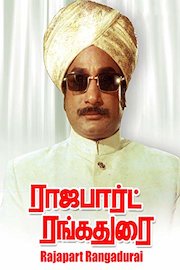
Rajapart Rangadurai

Where to Watch Rajapart Rangadurai

Rajapart Rangadurai is a classic 1973 Tamil-language drama film, which stars legendary actor Sivaji Ganesan and actress Ushanandini in pivotal roles. The film was directed by P. Madhavan and produced by A.P. Chandra. Rajapart Rangadurai is a narrative that beautifully juxtaposes the genres of drama and tragedy, with tradition and class conflict providing a compelling backdrop to the story. This beguiling work of art illuminates the potent strata of real-life situations and socially relevant issues of its time, which ring true even to the present scenario.
In this film, Sivaji Ganesan gracefully portrays the character of Rangadurai, a well-loved stage actor who has earned his fame as the heroic "Rajapart Rangadurai" because of his performances in folk dramas. This central character is a quintessential common man working to make an honest living through his performances. However, he's not just an actor, he is an embodiment of the characters he plays, captivating his audience with an effortless and realistic performance that seems to blur the lines of reality and fiction. He truly shines during his stage enactments, immersed in stories interwoven with morality, courage, and justice, often representing the common people's voice against oppression.
In the twist of the tale, Ganesan falls for a rich, high-caste woman, Ushanandini, who is enamoured by his stage performance. This casts the difference between their social status in sharp relief, setting up the film for a captivating exploration of their star-crossed romance. The contrast between their lives forms the heart of this movie. It reflects upon the complexities and divides created by social classes, the struggle of star-crossed lovers, and the disparity between art and the harsh realities of life.
Rangadurai's life is further complicated when he has to replicate his performances from the stage to his real life, proving that art often mirrors life and vice versa, while also emphasizing the stark contrast between both worlds. His life, which was previously enveloped primarily in applause and adoration, now revolves around negotiating the realities of life beyond the stage. The movie pulls at the audience’s heartstrings as it elucidates Rangadurai's struggle with socio-economic disparities, class prejudices, and love.
Ushanandini's portrayal of the affluent, yet stifled woman in love with a man from a lower social stratum is nuanced and poignant. The dynamics between her and Rangadurai, their emotional struggle, and the dichotomy between their environments bestow upon the plot an engaging pace and emotional depth.
The songs and music of the film composed by Mickie J Meyer are a major highlight and beautifully compliment the plot. The soulful melody and lyrics, enriched by Sirkazhi Govindarajan's magnificent voice, aesthetically contribute to the essence of the movie. The cinematography, the poignant storytelling, and the outstanding performances make Rajapart Rangadurai a gem in the annals of Tamil cinema.
There's a beautiful blend of various emotions throughout the movie, be it happiness, pain, love, or sacrifice. The strong performance by the lead actors, combined with the appropriate infusion of traditional folk dances and music, makes the film deeply rooted in its culture and ethos.
Rajapart Rangadurai not only glorifies the art form of drama but also poses significant commentary about the societal norms and divides. It's a powerful exploration of life, love, struggle, sacrifice, and the essence of theatre. The movie stays loyal to its theme of how sometimes life imitates art and how individuals grapple with their realities in light of circumstances.
In conclusion, Rajapart Rangadurai is an eternal classic that checks all the right boxes for a melodrama laced with societal concerns. It paints an enthralling picture of the cultural inclination towards drama and theatre. It is a heartfelt tribute to stage artists and goes beyond, shedding light on significant social issues, making it relevant and relatable to viewers even today.