
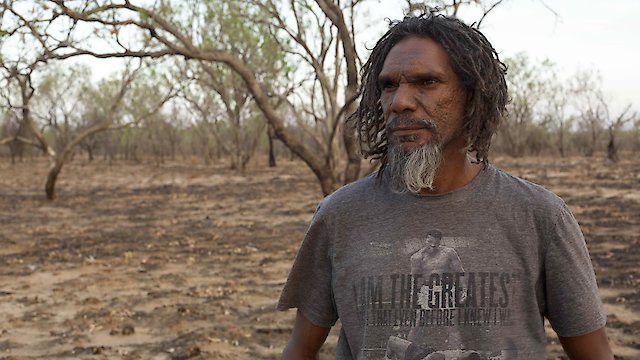
Putuparri and the Rainmakers
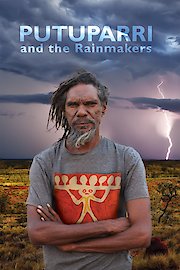
Putuparri and the Rainmakers
 8.3/10
Where to Watch Putuparri and the Rainmakers

Putuparri and the Rainmakers, which was released in 2015, is an emotionally resonant, visually stunning documentary directed by Nicole Ma. The film, which has been widely lauded for its sensitive depiction of Indigenous culture, follows the life of Putuparri Tom Lawford, who is an indigenous man from the Fitzroy Crossing in Western Australia. The narrative intricately weaves together the past, present, and future, offering viewers a rare and deeply intimate insight into the world of Aboriginal culture in Australia.
Not just an exploration of one man's life journey, Putuparri and the Rainmakers powerfully documents the efforts of the Wangkajunga community as they seek to reclaim their traditional lands in the Great Sandy Desert, highlight the rich tapestry of their cultural heritage, and uphold their traditional practices amongst newer generations.
At the core of the documentary is Lawford, who initially is presented as a man embroiled in modern city life, detached from his roots. The film unravels the transformative journey he undertakes to reconnect with his heritage and eventually shoulder the responsibilities of becoming an influential Aboriginal leader. This journey transcends the geographical borders of his native land, and arguably, even time itself, as he ventures into the sacred yet harsh landscape of the desert that harbours centuries of his ancestral history.
The character of Lawford's grandfather, Nyilpirr Ngalyaku Spider Snell, another pivotal figure in this rich narrative, is nothing short of inspiring. His unwavering spirit in the face of adversity and his deep knowledge of traditional Aboriginal 'law' (Lore) make him a beacon from whom Lawford, and indeed the audience, learn about the timeless traditions and deep-rooted principles of the Aboriginal way of life.
The documentary achieves a resounding impact through its storytelling mechanisms, which fuse traditional Aboriginal stories and Lawford's own narrative to create an emotionally engaging and intellectually stimulating viewing experience. The spiritual belief of the Wangkajunga people, who see themselves as custodians of their ancestral lands, is powerfully rendered via their extraordinary rainmaking ceremonies— a vivid demonstration of the Aboriginal people's harmonious relationship with nature.
Director Nicole Ma's storytelling approach is akin to an affectionate whisper that implores the audience to listen closely. There is an impressionistic style to the sweeping landscape shots, a respect that gently invites us into Aboriginal rituals, and a deep-source empathy when depicting the struggles indigenous communities face. The way she explores the deep-seated spiritual connection between the land and its people is awe-inspiring, and it is this element that sets the documentary apart from others of its genre.
The film's cinematography deserves equal commendation. The viewer is invited on an odyssey that includes breath-taking shots of Australia's Great Sandy Desert, the jarring contrast between dynamic city life and the peaceful solitude of nature, and the haunting visuals of Aboriginal art. The camera-work helps capture the transition and transformation of Lawford, shifting between panoramic desert scenes to intimate moments, creating an aura of realism that intensifies the viewing experience.
Putuparri and the Rainmakers is a testament to the indomitable spirit of Aboriginal communities, the importance of inter-generational transfer of wisdom, and the struggle for land rights in Australia. It is a gripping, inspiring film that succeeds not only in showcasing Aboriginal culture and tradition but also in exposing the audience to the pressing socio-cultural challenges that indigenous communities face in modern Australian society.
What stands out about the film is the universality of its themes. While it informs us about a particular culture, its discussions around identity, community, heritage, and tradition resonate across different societies and cultures. It's a story of one man's reconciliation with his heritage, of one community's claim to their birthright, and of the universal human yearn for belonging and acceptance.
In atmospheric and cinematic terms, Putuparri and the Rainmakers is a hauntingly beautiful cinematic journey that will leave viewers moved and enlightened. Behind its stunning visuals and riveting narrative, the film provides a platform for important conversations around indigenous rights, heritage, and cultural preservation, making it a must-watch for audiences worldwide.
8.3/10