
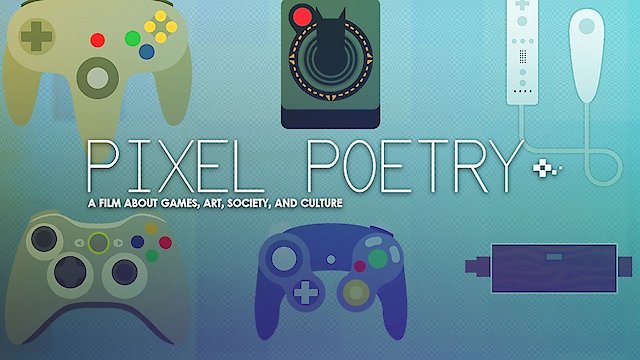
Pixel Poetry
Pixel Poetry
"A Film About Games, Art, Society, and Culture."
 7.1/10
Where to Watch Pixel Poetry

Pixel Poetry is a captivating and insightful documentary film which was released in 2014, directed by Richard James Cook, featuring a variety of distinguished interviewees who include Wesley Adams, Jimmy Barnett, and J. Todd Coleman. This engaging movie is intended for anyone interested in video games, energy of digital creation, or the intersection of art and technology. However, it also targets general audiences as it depicts an enchanting exploration into the depth of the video games industry.
The film explores the progressive development and transformation of video games from their infantile days as simple entertainment pursuits, to a sophisticated form of art in the contemporary digital age. At the heart of Pixel Poetry is a discussion on the value and impact of video games and the changing societal perspectives about this medium. It innovatively argues that video games have evolved to become an artistic medium that should be appreciated similarly to literature, music or cinema.
Wesley Adams, Jimmy Barnett, and J. Todd Coleman play essential roles in the documentary as interviewees, providing their thoughtful insights, perspectives, and experiences in the realm of video games. It’s important to mention that J. Todd Coleman is well-known in the gaming world as the co-creator of genre-defining games like Shadowbane and Wizard101, which adds a layer of credibility and insider knowledge to the narrative of the film.
Pixel Poetry dives into profound discussions and debates about the legitimacy of video games as an art form, bringing together game developers, critics, and scholars who share their unique perspectives on the matter. The film boldly attempts to challenge the stigma surrounding video games and their players, seeking to alter the common perception and stereotypes associated with gaming culture.
The documentary explores how video games have transcended the boundary of simple amusement, becoming a tool for narrative storytelling, artistry, and emotional expression. It investigates and validates how video games can educate, motivate, and help in personal development, thus spreading an impactful message about the cultural relevance of video games. The film spends a considerable amount of time discussing the design process of video games, illustrating that creating a comprehensive and engaging digital universe requires the same degree of creativity, originality, and thematic depth as in other established art forms.
What makes Pixel Poetry distinct in its genre is the diversity of perspectives it offers from different professionals in the gaming industry. These include not only developers, but also writers, professors, and journalists who share their appreciation for the artistic merit of video games. Their insights cover an array of topics which range from the history and evolution of gaming, to the challenges faced by the industry, its future, and its ongoing quest for recognition as a valid artistic medium.
In its essence, Pixel Poetry raises intriguing questions about the changing dynamics of the modern age, swathes of digital creations, and the societal response towards understanding and embracing this shift. The film delves into the philosophical aspects of game design, considering the role of imagination, creativity, and personal exploration in video game development.
In terms of the documentary's structure and visual aesthetics, Pixel Poetry successfully mediates high-quality interview footage, game clips, and animated sequences to accurately convey the complexity and beauty of video game art. It does a splendid job of visually demonstrating the artistry involved in crafting digital worlds, making the audience appreciate the medium from a whole new perspective.
Overall, Pixel Poetry stands out in the realm of documentary films about video games due to its well-rounded exploration of the topic and the depth of its discussions. It broadens the dialogue about the evolving nature of art, making it a must-watch for anyone who’s interested in video games, their impact and the digital revolution at large. We are encouraged to view and accept video games as a legitimate art form which shares the ability, like traditional forms of art, to inspire, evoke emotions, and challenge societal perceptions.
7.1/10