

Peter Eisenman: Building Germany's Holocaust Memorial
Peter Eisenman: Building Germany's Holocaust Memorial

Where to Watch Peter Eisenman: Building Germany's Holocaust Memorial

Peter Eisenman: Building Germany's Holocaust Memorial is a profound 2006 documentary focusing on the design, construction, and controversy surrounding one of the world's most tragic and evocative testaments to human suffering. Directed by Michael Blackwood, this film provides an intimate and exploratory look at the soul-stirring Holocaust Memorial in Berlin, Germany. The film features notable personalities like Volker Beck, an important political figure in Germany, eminent cultural historian Horst Bredekamp, and Eva Brucker, a survivor of the Holocaust, among others.
The movie opens with architect Peter Eisenman discussing the concept that he had envisioned for the memorial, which faced many objections and underwent massive transformation before it took its final form. The documentary allows viewers to engage directly with the groundbreaking process behind creating a worthy epitaph for the genocide that claimed six million Jewish lives during the Holocaust.
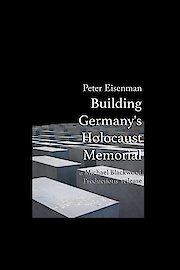
The narrative provides a detailed account of the architect's ambitious vision, the multiple rounds of designs, struggles with bureaucracy, public controversies, and the final realization of Eisenman's grand vision. It observes Eisenman's philosophical approach towards the Memorial and how it influenced his design. Evocative shots of the site — 2,711 concrete slabs spread across 19,000 square meters — transform it into a solemn place of remembrance and silently echo the lost voices of millions.
The documentary also brings into the foreground the immense political pressure and public scrutiny Eisenman faced throughout the construction process. Volker Beck's contribution in the film pays tribute to his role as a legislator and a stalwart supporter of the project, clarifying how politics played a pivotal role in the inception of the Memorial.
Horst Bredekamp, a well-known art historian, brings in a cultural perspective to the argument, shedding light on the artistic and symbolic significance of the memorial's unique design. Snippets of intellectual debates and public discourses on the construction of the memorial, featured throughout the film, exemplify the cultural tensions and ethical debate inherent in commemorating such a grave event in human history.
Individual stories from Holocaust survivors, represented in the film by Eva Brucker, emphasise the human cost of the genocide and the inherent indispensability of the Memorial. This adds a deeply emotional and personal layer to the documentary, reinforcing the necessity of remembering.
A noteworthy aspect of Peter Eisenman: Building Germany's Holocaust Memorial is how it touches upon the moral, ethical, and aesthetic dilemmas involved in commemorating an event as horrifying as the Holocaust. It addresses complex questions: How one can mourn the victims and confront the perpetrators through a memorial that will stand as a painful reminder for centuries to come? Is it possible to create a monument that is both an aesthetic masterpiece and also encapsulates the profound grief and horror of such a catastrophic event?
Blackwood masterfully balances the focus between the micro and the macro; while the political machinations and social implications of building the Memorial take center stage, it never loses sight of its core intention - to serve as a permanent reminder of a horrific past.
In essence, the film chronicles its evolution from a mere concept into an embodiment of the collective memory of a grave crime against humanity. It presents an immersive narrative interlaced with political dialogue, public sentiment, and personal narratives from Holocaust survivors.
In 1 hour and 25 minutes, Peter Eisenman: Building Germany's Holocaust Memorial expertly encapsulates a process that took well over a decade, from drafting board to inauguration. It elegantly demonstrates the importance of this architectural marvel in remembering and honoring the victims of the Holocaust.
The film is much more than just a documentary about a building. It is a sensitive exploration of the convergence of art, memory, and politics; it's an account of national introspection and redemption through the language of architecture. It is about Germany confronting its darkest hour and the world remembering an atrocious crime against humanity. It is a testament to the belief that memory, no matter how painful, must not be erased or forgotten. Rather, it should serve as a constant reminder - a pledge toward ensuring that 'never again' isn't merely a phrase, but a promise forever embedded in the consciousness of society.