

No Son Invisibles: Maya Women and Microfinance
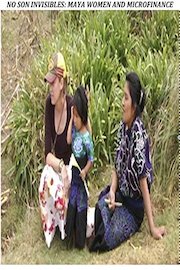
No Son Invisibles: Maya Women and Microfinance

Where to Watch No Son Invisibles: Maya Women and Microfinance

No Son Invisibles: Maya Women and Microfinance is a poignant documentary that illuminates the lives of Maya women in Guatemala, exploring their struggles and aspirations in the context of microfinance. Directed by an insightful team, the film highlights the challenges faced by indigenous communities while showcasing their resilience, determination, and the transformative power of microfinance.
Set against the backdrop of the stunning Guatemalan landscape, the documentary offers a raw, authentic glimpse into the daily lives of women who are often marginalized not only in society but also within their own families. The filmmakers present an intimate portrait of their experiences, juxtaposing traditional Maya culture with the modern challenges of economic disenfranchisement. With a focus on personal narratives, No Son Invisibles provides audiences with a deeper understanding of the socio-economic barriers these women face, as well as their efforts to overcome them through entrepreneurship and self-empowerment.
Central to the narrative is the engagement of prominent economist Muhammad Yunus, founder of the Grameen Bank and a pioneer of the microfinance movement. Yunus's philosophy revolves around the belief that access to capital can empower the poor, particularly women, to break the cycle of poverty. His insights lend a critical voice to the documentary, emphasizing the importance of microfinance as a tool for development, especially in communities like those represented by the Maya women.
The film introduces viewers to several inspiring characters, including Micaela Garcia Jimenez, Pilar Garcia Quintana, and Martha Gomez Lopez, who share their personal stories and the evolution of their businesses. Through their journeys, we witness the impact of receiving microloans, which allow them to start small enterprises ranging from textiles to agriculture. These businesses not only generate income but also foster a sense of community and cooperation among the women.
One of the standout themes of the documentary is the idea of community. The film illustrates how microfinance does not merely provide monetary support but also creates networks of solidarity among women. Training sessions and group meetings become spaces of encouragement and empowerment, where women share their experiences, learn from one another, and build confidence. This aspect of collective growth is particularly uplifting, demonstrating that economic development can serve as a catalyst for social change.
Cinematically, No Son Invisibles employs a blend of vibrant visuals and heartfelt interviews that engage viewers on both emotional and intellectual levels. The lush landscapes of Guatemala serve as a beautiful contrast to the stark realities faced by these women. The cinematography captures the essence of the Maya culture, showcasing their rich traditions and connection to the land. Natural sounds and music further enhance the viewing experience, immersing the audience in the daily rhythms of life in rural communities.
In the context of contemporary global dialogue on gender, poverty, and economic autonomy, this documentary raises important questions about the efficacy and ethics of microfinance. While it celebrates the successes achieved by these women, it also invites critical reflection on the broader systems that perpetuate inequality. As the women navigate the complexities of their lives, the film skillfully prompts viewers to consider the structural changes needed to ensure long-term sustainability and equity.
No Son Invisibles ultimately portrays hope and resilience. It celebrates the indomitable spirit of the Maya women as they strive not just for economic independence but also for recognition and respect within their communities. The film underscores the narrative that women are not merely beneficiaries of aid but active agents of change, capable of redefining their destinies when given the right tools and opportunities.
With its profound storytelling and sociocultural insights, No Son Invisibles is a vital documentary that challenges perceptions and inspires action. It sheds light on the underrepresented voices of indigenous women, emphasizing their significance in the socio-economic landscape and the vital role they play in the future of their communities. This film is not just a documentary about microfinance; it is a celebration of perseverance, interconnectedness, and the unyielding drive to create a better life.
In conclusion, No Son Invisibles: Maya Women and Microfinance is a compelling exploration of the intersections between gender, culture, and economic empowerment. With its heartfelt narratives and insightful commentary, the film serves as an important reminder of the transformative potential of microfinance while challenging viewers to engage with the complexities of social and economic justice. It stands as a tribute to the resilience of women who refuse to remain invisible and who are determined to shape a brighter future for themselves and their communities.