

New Year Baby - Love Joy Pardon
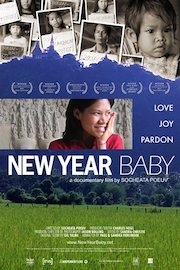
New Year Baby - Love Joy Pardon
 8.3/10
Where to Watch New Year Baby - Love Joy Pardon

New Year Baby - Love Joy Pardon is a poignant and compelling documentary film released in 2006, directed and produced by Socheata Poeuv. The film is an intimate exploration of the filmmaker's personal story intertwined with her family's broader narrative, shedding light on the experiences of Cambodian Americans in the aftermath of the Khmer Rouge regime.
The film begins by spotlighting the director, Socheata, who showcases her life as a first-generation Cambodian American. Through a careful weaving of personal narratives and historical context, Poeuv delves into the complexities of her family's past, particularly focusing on the impact of the Cambodian genocide that claimed the lives of millions in the late 1970s. The title of the film, New Year Baby, refers to the significance of the Cambodian New Year and serves as a metaphor for rebirth, resilience, and the multi-layered identities of those surviving the traumatic legacy of war.
One of the film's strengths lies in Socheata's ability to draw the audience in with her candid storytelling. As she embarks on her journey to uncover more about her family's experiences, she seeks to understand her own identity and where she fits within the larger narrative of Cambodian history and culture. The film is structured around her family's memories and reflections, particularly focusing on the survival tactics employed by her parents during one of history's darkest chapters. Through interviews and intimate conversations with her family members, viewers gain insight into the harrowing decisions they faced and the emotional scars they continue to carry.
New Year Baby - Love Joy Pardon skillfully balances historical documentation with personal storytelling. The film includes archival footage and photographs that transport viewers back to Cambodia during the era of the Khmer Rouge. These visuals serve not only as a grim reminder of the past but also as a poignant backdrop against which Socheata’s family's story unfolds, emphasizing the importance of remembering and acknowledging historical injustices to ensure they do not fade from collective memory.
The documentary underscores the notion of identity and belonging, raising essential questions about what it means to be Cambodian in a diaspora context. Socheata’s reflections on her American upbringing frequently contrast with her encounters with her cultural roots, creating a rich tapestry of experience that resonates beyond her own life. Her exploration of cultural traditions, language, and family dynamics is particularly moving, as she navigates the complexities of being caught between two worlds—one rooted in trauma and the other in hope.
As the story progresses, Socheata delves deeper into her family’s history, actively seeking her relatives' voices and documenting their experiences. This journey of discovery becomes both a personal and collective quest for understanding and closure. The theme of forgiveness and the possibility of healing resonates throughout the narrative, as Socheata grapples with her family's past and strives to find a pathway forward that honors their experiences while allowing for personal growth.
The documentary also sheds light on the broader Cambodian American community, representing their struggles and triumphs in the face of displacement and cultural adaptation. As Socheata reflects on her heritage, she highlights the importance of cultural celebration and remembrance, particularly through the lens of significant events like the Cambodian New Year. This celebration serves as a vital thread connecting the past with the present, symbolizing hope and the resilience of the Cambodian spirit even amid adversity.
In terms of filmmaking techniques, Socheata Poeuv employs a raw and authentic style that invites viewer engagement. Her sensitivity and thoughtfulness in addressing complex and often painful subjects are palpable, creating a safe space for dialogue around trauma, identity, and belonging. The cinematography captures vibrant moments of connection, joy, and sorrow, further enhancing the emotional depth of the narrative.
Overall, New Year Baby - Love Joy Pardon is a heartfelt exploration of personal and collective memory, identity, and resilience. With its rich tapestry of cultural history interwoven with intimate family storytelling, the film serves as a crucial contribution to the understanding of Cambodian American experiences and the enduring impacts of historical trauma. Socheata Poeuv's passionate pursuit of truth and healing resonates deeply, offering viewers a powerful reminder of the importance of remembering and honoring the past as a means to forge a hopeful future. Through her lens, the film invites reflection on the complexities of survival, the strength of family bonds, and the transformative power of storytelling in the journey toward understanding and reconciliation.
8.3/10