

New Offenburg
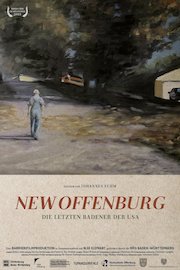
New Offenburg
 8.9/10
Where to Watch New Offenburg

New Offenburg is a poignant 2013 documentary that brilliantly showcases the tale of survival, adaptation, and cultural preservation of a group of German immigrants in the United States. The film, directed by Maureen Gosling and shot in the picturesque landscapes of Missouri, meticulously traces the history of a unique community and offers a compelling study of their particular cultural DNA.
The film centers around the small midwestern town of New Offenburg, whose foundation dates compellingly back to the early 19th century. This period saw a wave of German immigrants fleeing the political unrest and economic hardships post-Napoleon era in their home country. Arriving on the shores of America, these valiant German settlers found their new home in the wilderness of Missouri and named it New Offenburg after the German town 'Offenburg' they left behind.
The film opens with an exploration of the present-day life in New Offenburg, consciously characterized by modesty, simplicity, and staunch adherence to their Germanic customs and traditions. Throughout the 90-minute runtime, shreds of evidence of its Germanic roots could be seen scattered in the form of the local spoken dialect, cuisine, traditional viniculture, architecture, and various perennial customs and festivals of the settlers.
The director Gosling strings together a collection of interviews with the town’s older residents. These consist of intimate conversations, leak-shared memories and anecdotes providing depth and substance to the sparse population’s quiet existence. The inhabitants reminiscence about their ancestors' undeterred struggles, elaborate on their cultural continuity, and also express their concerns about their heritage's impending doom. With fewer descendants communicating in the traditional dialect and modernity creeping in their agrarian lifestyles, a sense of disillusionment seemed to have seeped in this aging populace about their culture's survival.
New Offenburg also explores the unique viniculture that the German immigrants introduced in Missouri, helping the area flourish as an emerging wine region in the United States. The film tells the story of how these immigrants, used to the traditional wine-making processes in their homeland, successfully replicated their knowhow and weathered unfavorable climatic conditions to establish successful vineyards. Maintaining their centuries-old tradition of grape cultivation and vinification, residents today continue to produce authentic Missouri Wine, attributing it to their German ancestry.
While the film is firmly rooted in history and cultural study, it also portrays an occasional glimpse into the lives of the younger generation—their indifference, adaptation to modern American ways, and strained ties to their community. Gosling subtly contrasts the town's quaint charm with the encroaching modern influences, raising poignant questions about the disappearance of old-world traditions and cultural identities under the weight of globalization.
The film's central tour de force lies in its treatment of the subject matter. Instead of taking an external perspective, the director allows the town folks to narrate their own life stories, successes, and fears in their own voices. This serves to humanize the subject and make it relatable, imprinting a memorable visual and emotional experience on the viewer.
Gosling goes beyond traditional documentary storytelling by opting for a more immersive approach. Rather than a didactic presentation of facts, New Offenburg excels at taking viewers by the hand and making them a part of the town’s everyday life. The film's stunning cinematography captures the area's scenic beauty, the uniquely preserved German-influenced architecture, local festivities, traditional cooking processes, and the serene splendor of its vineyards.
New Offenburg is a rare gem that successfully amalgamates history, sociology, cultural studies, and human elements into a single narrative arc. It is an exploration of a diminished heritage, resilient spirit, and an uncertain future. With its slow-paced storytelling, evocative cinematography, emotive narrative, and intimate human stories, the movie resonates with you long after it ends. Through themes as universal as heritage conservation, cultural adaptation, and human resilience, it appeals to audiences beyond geography and proves to be an essential watch for anyone interested in exploring cultural preservation in contemporary times.
8.9/10