
Muneeza in the Middle
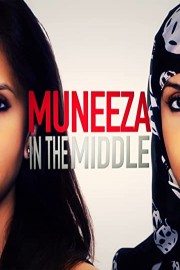
Muneeza in the Middle

Where to Watch Muneeza in the Middle

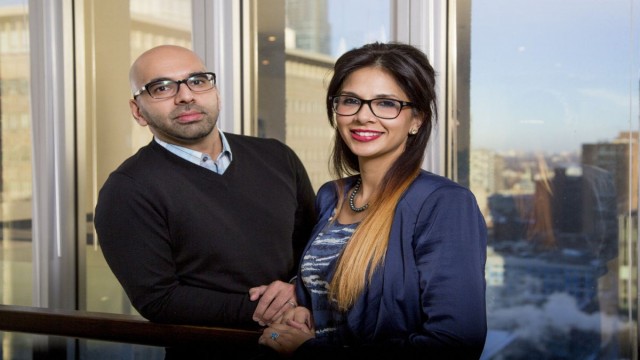
"Muneeza in the Middle" is an intimate and rousing documentary feature created by filmmaker Hoda Elatawi in 2014. A tale of identity and culture, this movie stars Muneeza Sheikh and her husband, Mustafa Khaliq, as they voyage through personal exploration and cultural self-discovery. The film offers a sincere portrayal of the couple grappling with their cultural identity and grappling with the challenging act of balancing their Canadian and Muslim aspects of their lives.
An articulate, established, and poised human rights lawyer based in Toronto, Muneeza Sheikh, is the main subject of the film. Grounded in her determination to ensure she is seen first and foremost as a talented lawyer, Muneeza grapples with the constant overlays of her being a woman, a hijabi, a Pakistani, and a Muslim. This enriches her narrative by creating a multi-dimensional portrait of a woman endeavoring to find her footing on the uncertain terrain of personal identity and societal belonging in today's fast-paced, globalized world.
Mustafa Khaliq, Muneeza's husband and the father of their children, shares his part of the narrative. As a small business entrepreneur who grew up in Canada, with his roots embedded in Pakistani culture, Mustafa complements Muneeza's narrative. He shines as an ever-supportive partner and doting father throughout the film. The differing perspectives the couple maintains are starkly apparent, but the common ground they share in their collective journey is genuinely heartwarming.
The film's title, "Muneeza in the Middle," itself hints at the film's central theme, the essence of ‘being in-between.' Muneeza is often found in the middle of diverse cultural, religious, and professional spectacles. It is a story of a woman who is "caught in the middle" between her traditional background and her adopted culture; between her identity as a practicing Muslim woman and her career as a legal professional in a Western setting; between her family responsibilities and her ambition.
The setting is contemporary Canada, and the narrative strategy is ceaselessly sincere and non-judgmental. The film lets viewers in on the boundless complexities that lay hidden beneath the surface of every immigrant's search for a hyphenated identity. The documentary conveys the story from Muneeza's perspective, weaving a vivid tapestry of her everyday experiences, her joys, her struggles, her anxieties, and, above all, her relentless drive to find an equilibrium that serves her best in her myriad roles.
"Muneeza in the Middle" gently delves into the multifaceted layers of Muslim identity in the Western world. It casts light on the complexities of adopting a different culture while sticking to one's roots and raises necessary questions about integration, assimilation, and identity.
The film thus plays a crucial role in nurturing cultural understanding, opening up dialogue, and challenging stereotypes. It balances the narrative seamlessly between Muneeza's personal journey and the larger societal issues inherent in multicultural societies, providing for deep, reflective insights from both ends.
In conclusion, "Muneeza in the Middle" is a poignant and compelling documentary that invites its viewers to explore facets of cultural and personal identity through the lens of an individual narrative. It drives a sincere, empathetic conversation about identity, religion, and the many intersections they have with various facets of everyday life. At its heart, this film is a story about finding oneself amidst changing cultures and traditions, making it a universal tale that resonates with audiences globally.