

Moscow Does Not Believe in Tears Part One
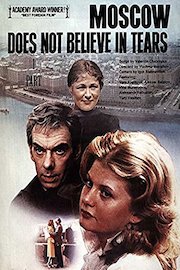
Moscow Does Not Believe in Tears Part One

Where to Watch Moscow Does Not Believe in Tears Part One

The film "Moscow Does Not Believe in Tears Part One" is a captivating narrative about three women navigating their lives in Moscow during the tumultuous period of the 1950s. When we first encounter the trio, they are adjusting to city life and facing challenges head-on. The film is a unique showcasing of Soviet realism, supplemented with engrossing plotlines and motifs that envelops the characters' lives, their experiences, and the intriguing city of Moscow itself.
It centers around three friends - Katerina (Vera Alentova), Lyudmila (Irina Murayova), and Antonina (Raisa Ryazanova). These provincial girls move to Moscow to make a life of their own, away from their familial environments. The film masterfully explores their drastically different paths, ambitions, love lives, and hardships, defining the heart of the story - a sentimental and emotional journey of personal growth and transformation.
Vera Alentova, who plays Katerina, a simple, hard-working, and diligent woman, is particularly notable. Her character beautifully portrays her strong will to rise in a male-dominated society despite experiencing numerous setbacks. Katerina is essentially the cornerstone of the film's narrative, and Alentova's performance is nothing less than remarkable. She represents an image of the modern Soviet woman, who is hardworking, firmly resolute, and, above all, fiercely independent.
Aleksey Batalov stars as Gosha, a charming, genuine, and humble character who becomes a significant part of Katerina's life. Gosha's introduction to the film brings a unique twist to the plot and further enriches the narrative. As a viewer, you'll find yourself engrossed in the surrounding intrigue and charm associated with his character.
Set in the period of the 1950s, Moscow's backdrop plays a significant role in the movie, almost as if the city itself is a fourth lead character. The film offers an authentic portrayal of Moscow's life during this period, its beauty, and struggles; it immerses the viewers into the vibrant atmosphere of the city. The environment that was made offers viewers an engrossing sense of realism and historical context.
The film's themes revolve around the everyday life of common Muscovites, their relationships, their ambitions, and the hardships they face. One can sense a strong juxtaposition between the Russian lifestyle and the provincial lifestyle, the different class systems, gender roles, and the perceptions of love and relationships in society.
"Moscow Does Not Believe in Tears Part One" is well-known for its deep exploration of characters and their intricacies, which are poignantly depicted. Each character is brought to life with much care and development, making them extraordinarily relatable and appealing. The storyline is gripping as it unfolds, displaying the ebbs and flows of life within a simple yet powerful narrative structure. It's no wonder that the film garnered significant international acclaim, becoming a classic example of Soviet-era cinematography.
In essence, "Moscow Does Not Believe in Tears Part One" serves as an emblematic representation of the struggles and victories that individual lives encompass within the grander scheme of society. The film invites viewers to invest emotionally in Katerina's journey, offering an intricate human drama against the vivid backdrop of Soviet-era Moscow. It's more than a film - it's a sincere portrayal of life and human resilience in ever-changing times.
The film combines humor, heart, and a sure sense of detail to deliver a timeless and ever-resonating cinema. By focusing on the complexities of life and human relationships, it presents a rich picture of a time and place not often explored in such depth, and it's an absolute must-watch for cinema enthusiasts far beyond its native Russia.