
Miss Kiet's Children
Miss Kiet's Children
 7.6/10
 83/100
Where to Watch Miss Kiet's Children

"Miss Kiet's Children", a poignant documentary film from 2016, opens a window into the lives of young immigrant children, their struggles, their dreams, the process of acculturation, and how the power of education aids them in their journey. Starring Kiet Engel, Haya Khleif, and Branche Jovanovski, this feature delves into the heart and soul of the immigrant experience from the eyes of the young children, offering a heartfelt picture of struggle, resilience, and ultimately, hope.
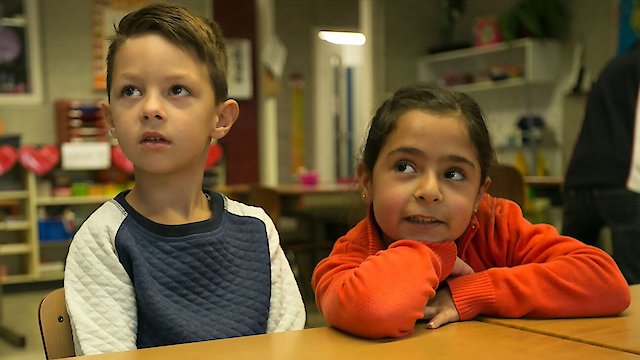
Directed by Petra Lataster-Czisch and Peter Lataster, the documentary centers on a small town in the Netherlands, where Miss Kiet, a dedicated teacher, is welcoming children from various ethnic backgrounds into her classroom. These children, mostly hailing from Syria and other war-torn regions of the Middle East, are refugee children who are seeking to adapt and learn in this alien environment. The simple classroom serves as a microcosm of society where the kids learn their lessons - both academic and life.
Miss Kiet, played by Kiet Engel, acts as a gentle shepherding figure, nurturing these children with patience and compassion, ensuring their transition towards normalcy is as smooth as possible. Guiding the children through the regular rigors of school life, academics, tussles, and tears, she utilizes her behavioral management strategies and insight to help them adjust to all the diversity and dynamism their new home offers.
Haya Khleif and Branche Jovanovski, along with other children who attend the school, are the heart of the movie with their innocent experiences and raw emotions. Their tiny victories, losses, joys, fears, friendships, rivalries, cultural shocks, and their astoundingly resilient adaptability are all showcased with sincerity and empathy. Despite their traumatic past and the hurdles they face as newcomers to a foreign land, their collective and individual journies brim with persistent grit and strokes of childhood innocence.
"Miss Kiet's Children" is primarily observational, using an unobtrusive verite style of filming. It allows the children's lived experiences to drive the narrative, limiting any overt direction or narrative imposition. The camera is an unfiltered lens into the children's lives, capturing moments of laughter, tears, and milestones achieved.
One of the movie’s strongest appeal is its incredibly relatable and universal theme: it simultaneously reflects the global migrant crisis and the barriers immigrant children encounter in foreign lands. It highlights the struggle to acclimatize to a new culture, a new language, social differences, and the unwilling uprooting from a war-stricken home. These themes are showcased subtly and not overtly imposed or sensationalized.
The film also underscores the significance of education. It portrays the school as a sanctuary and a vitally important transition zone, one where these refugee children learn not just their ABCs but also the values, norms, and behaviors necessary to thrive in their new homeland. Throughout the movie, the role of teachers like Miss Kiet, in shaping and assisting these kids as they grapple with the new normal, becomes amply evident.
"Miss Kiet's Children" is an emotional exploration, a testament to resilience and adaptation, and an affirmation of childhood amid harsh realities. The audience gains unique insight into the struggles and achievements of these children, who, despite the drastic changes in their lives, continue to look forward with hope and courage, finding joy in their friendships, learning, and adaptation.
In conclusion, "Miss Kiet's Children" is truly an immersive experience full of genuine emotions and commendable performances, showcasing the resilience of humanity and the profound power of education. It is a noteworthy viewing experience for anyone interested in understanding the effects of war and immigration on the youngest, most vulnerable victims. The educators' roles and dedication, too, are brilliantly emphasized, highlighting how the combined forces of empathy, love, and education can begin to heal and integrate displaced children into new societies.
7.6/1083/100