

Me and the Mosque
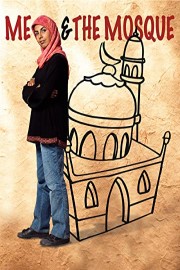
Me and the Mosque
 6.7/10
Where to Watch Me and the Mosque

Me and the Mosque is a 2005 documentary film that explores the complexities and challenges tied to mainstream Muslim culture, particularly as it intersects with gender experiences and societal dynamics in North America. The focal protagonist is Zarqa Nawaz, concurrently serving as the director of this distinct, often witty, yet profound documentary film that delves into the diverse stories latent within the North American Muslim community.
Serving as an underlying premise to the film is Zarqa Nawaz's storytelling prowess and her innate, playful audaciousness. She navigates through personal stories and powerful interviews, which she expertly brings to life through creative film-making. Employing interpersonal dynamics, we find her maneuvering through a vast array of pressing issues, including gender roles, societal expectations, and orthodox practices within contemporary Muslim societies.
The documentary faithfully navigates these heavily debated topics, primarily focusing on the seclusion of women in mosques. Through her journey, Zarqa reveals a broad spectrum of attitudes and experiences from her interviews with scholars, advocates, and everyday Muslims, including the articulate, engaging figures like Umar Faruq Abd-Allah and Ahmed Aboutheir.
Dr. Umar Faruq Abd-Allah, a renowned scholar and convert to Islam, delves into Islamic history and its stance toward women's equality and gender segregation in mosques. He provides an informed, intellectual perspective about Islamic identity and its potential for useful, just reform.
Meanwhile, Ahmed Aboutheir, a young Muslim of Arabic background, showcases the generational and cultural differences within Islam. Compared to Dr. Abd-Allah's philosophical perspectives, Ahmed represents the energetic, youthful energy that yearns for understanding and communication defining the identity of today's muslims.
Temporarily leaving her home in Canada, Zarqa Nawaz embarks on a journey across North America to uncover the deeply ingrained systemic elements that have created gender segregation within the sanctity of religion's shared spaces. The filmmaker explores mosques, religious conventions, and private gatherings unveiling the mix of culture, traditions, and personal interpretations that have led to a contentious practice.
Throughout Me and the Mosque, Zarqa Nawaz uses her unique brand of humor and irony, facilitating a high level of engagement and accessibility despite the depth and seriousness of the subjects dealt with. Interestingly, this technique is not just limited to levity, but it serves in dismantling barriers, challenging stereotypes, and enhancing open dialogue. Her encounters with varied individuals, communities, and perspectives unravel a diverse mosaic of Islam in North America.
Determined to challenge the status quo, Zarqa details her quest to understand why some Muslim establishments have disallowed women from worshiping alongside their male counterparts, particularly when historical context suggests no such exclusion. Using a blend of animation and real-life cinematography, this film vividly brings to life the concerns and contradictions within the North American Muslim community.
The narrative unfolds in an immersive documentary style, combining Zarqa’s personal journey with comprehensive exploration and contemplative interrogation. It holds the audience captive and compels them to participate in this ongoing dialogue about minorities, cultural assimilation, changing traditions, and the evolving role of women in society. Me and the Mosque welcomes viewers into a conversation that is earnest, intriguing, and, at times, humorous, about Islam and its context within the fabric of contemporary North American life.
Ultimately, Me and the Mosque is a call to inclusivity and gender equality. It reflects an extensive array of narratives, all held together by a singular search for understanding and equality within the walls of tradition - a noble quest that transcends religion, culture, and geography.
Overall, this unique film shines a spotlight not just on the pressing concern of gender segregation within certain spaces of worship but expands into a much broader exploration of the dynamic, multi-layered fabric of the Muslim community dwelling in North America. The film is an important piece that bravely and humorously tackles a vast array of topics, effectively showcasing the diversity, complexity, and humanity of the Muslim experience on the continent. It is set to resonate with audiences of varied backgrounds and beliefs.
6.7/10