
Mariela Castro's March
Mariela Castro's March
 7.3/10
Where to Watch Mariela Castro's March

Mariela Castro's March is a poignant and insightful documentary that delves into the intersection of culture, politics, and human rights through the lens of LGBTQ+ activism in Cuba. The film centers around Mariela Castro, the daughter of former Cuban President Raúl Castro and a prominent advocate for LGBTQ+ rights. The documentary captures her efforts to raise awareness and promote equality for marginalized communities in a country where social and political norms often clash with individual rights.
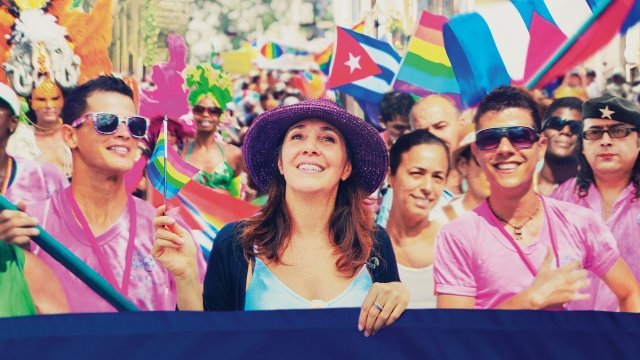
Set against the backdrop of the annual Cenesex (National Center for Sexual Education) anti-homophobia parade in Havana, the film provides an intimate exploration of the challenges and triumphs faced by those who dare to challenge the traditional views of sexuality and gender in Cuba. Through Mariela's engaging personality and steadfast commitment to her cause, viewers gain insight into the complex landscape of contemporary Cuban society.
The essence of the film is built upon a series of interviews and personal narratives from both activists and everyday citizens. This approach allows the audience to hear firsthand accounts of discrimination, struggle, and hope, as well as victories in the ongoing fight for LGBTQ+ rights. Mariela emerges as a guiding force within these narratives, blending her positions of privilege and power with a deep-seated desire for equality, acceptance, and social change.
The cinematography beautifully captures the vibrant spirit of Havana, providing a rich visual experience that reflects the joy and resilience of the LGBTQ+ community. Footage from the parade itself reveals colorful costumes, lively dance, and the contagious energy of the crowd, creating a festive atmosphere that celebrates love and diversity. The film contrasts this exuberance with the somber realities many community members face outside the celebratory events, making a compelling case for ongoing advocacy and reform.
Mariela Castro's March also addresses the political dimensions of activism in Cuba. The film navigates through the historical context of LGBTQ+ issues on the island, illustrating how the revolution and subsequent policies have shaped public perception and treatment of sexual minorities. Mariela's position as a member of the Castro family adds an additional layer of complexity, raising questions about power, privilege, and the mechanisms of change within a tightly controlled political environment.
As the narrative unfolds, the movie explores the generational divide regarding attitudes toward LGBTQ+ rights. Interviews with older individuals reflect the deeply ingrained cultural norms and fears that still exist, while younger activists express a longing for change and acceptance. This dynamic showcases the evolution of social discourse in Cuba, emphasizing the importance of intergenerational dialogue as a catalyst for progress.
A crucial aspect of the documentary is its examination of the role of art and creativity in activism. The film highlights various artistic expressions, including dance, music, and theater, which serve as powerful tools for raising awareness and fostering a sense of community. By showcasing the diverse talents within the LGBTQ+ community, the film underscores the importance of culture as a means of resistance and empowerment.
Central to the documentary's message is the notion of courage—both from those who participate in the parade and from Mariela herself as she navigates the complexities of her advocacy work. The film captures her motivation to challenge the status quo, often in the face of significant personal and political risks. Mariela's journey reflects the struggles many activists encounter, balancing their desires for change with the realities of living in a repressive environment.
The documentary also touches on broader themes of love, acceptance, and belonging. Throughout the film, personal stories highlight the human side of activism, portraying the joy and pain that comes with seeking acceptance for one's identity. This emotional depth resonates with audiences, reminding them that behind statistics and policies are real individuals and families trying to navigate a world that often feels hostile.
Ultimately, Mariela Castro's March is more than just a film about a parade; it is a profound exploration of the fight for human rights and dignity in Cuba. It invites viewers to reflect on the broader implications of activism, community building, and the ongoing struggle for equality in an increasingly polarized world. By artfully weaving together personal stories, political commentary, and cultural expression, the film serves as both a celebration of progress and a call to action for those who believe in a more inclusive future. Through its lens, audiences are encouraged to consider their roles in the ongoing fight for justice, equity, and acceptance for all.
7.3/10