

Los Castores
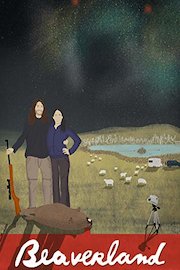
Los Castores

Where to Watch Los Castores

Los Castores (Beaverland) is a riveting and insightful documentary-style film made by the talented Swiss filmmakers, Federico Barni, Giulia Franchi, Marco Zanoli, Giorgia Graells, and Derek Corcoran. Released in 2014, this engrossing film takes the viewer on a captivating exploration of the enigmatic world of beavers in Tierra del Fuego, the southernmost tip of the South American mainland across the Strait of Magellan.
The movie is anchored by the persuasive performances of Giorgia Graells and Derek Corcoran, both known for their critically acclaimed roles. Graells, an actress and environmentalist merge her two passions magnificently in the film, resulting in an emotional and invigorating depiction of a natural wonderland under threat. Derek Corcoran, known for his documentary film work, strides confidently in the territories of the castores, lending credibility to the story.
Los Castores (Beaverland) takes advantage of the thrilling tension between the ecological balance and men's intrusion to keep viewers on the edge of their seats. It reveals the struggles faced by organizations and individuals engaged in trying to restore and maintain the balance.
The movie starts by introducing us to the beautiful yet fragile ecosystem of Tierra del Fuego, one of the last virgin territories on the planet where several species of birds and mammals make their home. The peaceful utopia of this place is disrupted by the arrival of an invasive species not native to this land - the North American Beavers.
The North American Beavers were introduced intentionally in Tierra del Fuego around the mid-1940s in a commercial venture to exploit their fine fur. At that time, it seemed like a profitable and harmless idea. However, what was once considered a business opportunity soon turned into an environmental disaster. Without the presence of their natural predators and a hospitable environment, these beavers had rapidly multiplied, causing an ecological imbalance.
The documentary does an exemplary job delving deeper into this ecological crisis. The beavers, known for their ability to dramatically alter an environment by building dams, have caused significant damage to the area’s unique ecosystem, threatening the local flora and fauna of Tierra del Fuego. As a result, the natural life cycle of the region has been significantly disrupted, impacting various species that inhabit this part of the world.
The film explores the strategies of government agencies and conservation activists who embark on missions to halt the devastation caused by the beavers, underlining the desperate circumstances that compel them to undertake what can be considered extreme measures. It narrates the event in an engaging manner, shedding light on the human elements involved while maintaining a critical focus on the environmental narrative.
Throughout the film, the breathtaking cinematography brings the struggle and pain faced by these environmentalist convincingly to the screen. The picturesque visuals coupled with a dramatic soundtrack magnify the urgency of the situation while capturing the beauty of the Tierra del Fuego landscape.
The filmmakers do a remarkable job of highlighting the complex nature of human interaction with the environment, as well as the unintended consequences that can arise from something as innocuous as introducing a new species into a habitat.
Los Castores (Beaverland) is an eye-opening and deeply moving journey into the heart of a unique ecological catastrophe, a testament of the resilience of nature and its struggle against human encroachment. It masterfully captures the interconnectedness of life on Earth and serves as a stark reminder of the delicate balance that maintains biodiversity.
This unique film subtly imparts an important lesson about the environment and our role and responsibility towards it. Providing poignant insight into the subject of environmental conservation, Los Castores (Beaverland) is a must-watch for not only nature enthusiasts but also for anyone who cares for the future of our planet.