
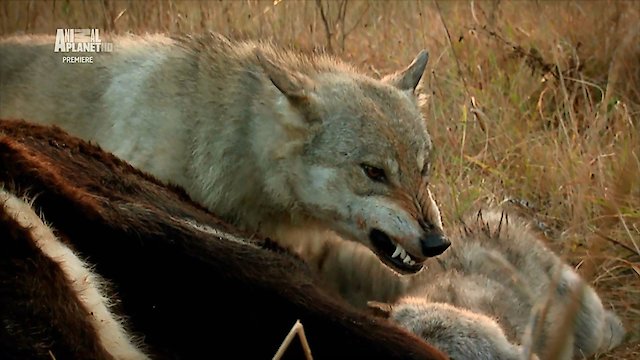
Life After: Chernobyl

Where to Watch Life After: Chernobyl

Life After: Chernobyl is a thrilling and eye-opening documentary film that explores the haunting aftermath of one of the world’s most disastrous nuclear accidents. Released in 2016, the movie stars renowned researchers Tim Mousseau, Rob Nelson, and Mary-Ann Ochota as they delve into the forbidden territory of Chernobyl to uncover the shocking environmental and biological impacts of the disaster.
Directed by Sam Starbuck, Life After: Chernobyl showcases an igniting story brought to life by Tim Mousseau, a world-renowned biologist specializing in radioactive mutation, Rob Nelson, a groundbreaking ecological detective, and Mary-Ann Ochota, a celebrated anthropologist, their combined expertise propels this film to a level of scientific realism and credibility.
The film embarks in the desolate and eerie landscape of Chernobyl's Exclusion Zone, a restricted 30-kilometer radius around the nuclear power plant, largely untouched since that fateful day in 1986. It's within this zone, nature is thriving in the absence of human intervention, but at the same time, the disturbing effects of the radioactivity on the local wildlife remain largely unexplored.
The narrative implores the viewer to grasp the devastating, long-term impacts of the nuclear explosion. It exposes us to riveting discoveries of the alarming extent that radioactivity has altered the genomes of wildlife and reveals the drastic consequences of human error on nature and its inhabitants.
Through immaculate research and mind-opening exploration, Life After: Chernobyl offers a valuable education on one of the most significant ecological crises of our era. The courageous team endures significant risk to discover how environment and lifeforms have modified since the nuclear disaster and how they continue to endure the radioactive contamination.
As Ochota explores the human angle amid the ruins and meets with survivors to gather personal stories, Nelson and Mousseau focus on the ecological side of the story. They examine the contaminated environments, studying animal life, collecting samples, and measuring radiation levels to point out the visible and invisible transformations caused by the event.
The film uses this dual perspective to paint a comprehensive picture of the aftermath of Chernobyl. The human stories offer a tragically poignant reminder of the toll the disaster took on the local people and their culture. Alongside these narratives, the exploration of the natural impact underlines the way this disaster turned Chernobyl into an eerie, yet fascinating laboratory of evolution, with species adapting to thrive in this heavily radiated environment.
Through their journey, Life After: Chernobyl documents mutations and anomalies, including changes in diversity, animal numbers, and evidence of aberrations such as cataracts, tumors, and deformed beaks in birds, thus raising serious concerns about the long-term health and survival of the species in the area.
The film is not just a scientific expedition but also a historical examination. It recognizes the calamity in its historical context by shedding light on the initial attempts to cover up the disaster by Soviet authorities, exploring the eventual recognition of its magnitude and retracing the events leading up to it.
In its sobering narrative, Life After: Chernobyl doesn’t shy away from the uncomfortable truth. It lucidly illuminates human accountability in environmental disasters and advocates the importance of nuclear safety. While the film presents a glimpse of resilience, it also sends a distinct message about human responsibility and caution in handling powerful, yet potentially devastating technology.
In conclusion, Life After: Chernobyl is a riveting documentary, combining nuclear history with environmental science and human interest stories. Combining spectacular cinematography with scientific discovery and heart-wrenching personal experiences, it offers a thought-provoking exploration into the impact and ongoing legacy of the Chernobyl catastrophe. It's a film that leaves a lasting impact, inspiring introspection on humanity's relationship with nature and the unthinkable power of nuclear technology. Through the melancholic beauty of Chernobyl’s fallout zone, it relays a compelling tale about nature's incredible ability to rebound, adapt and endure, even in the harshest of circumstances.
Life After: Chernobyl is a Documentary movie released in 2016. It has a runtime of 42 min. Critics and viewers have rated it moderate reviews, with an IMDb score of 5.7..
How to Watch Life After: Chernobyl
Where can I stream Life After: Chernobyl movie online? Life After: Chernobyl is available to watch and stream at Prime Video, Prime Video.
