
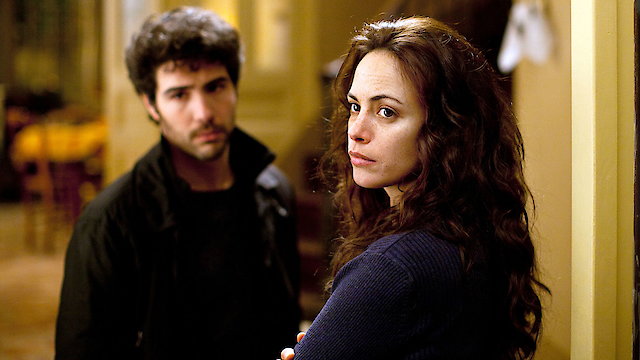
Le Passe
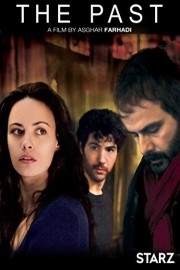
Le Passe
 7.7/10
 85/100
Where to Watch Le Passe

Le Passe, also known as The Past, is a masterfully crafted intimate drama directed by acclaimed Iranian filmmaker Asghar Farhadi and released in 2013. This thrilling and intricate French-Italian-Iranian co-production is a thought-provoking exploration of the complexities of human nature and relationships. Known for infusing social issues into his work, director Farhadi once again excels at creating a meticulously layered narrative that strikes a balance between cultural and universal themes.
The leading roles are played by internationally recognized actors such as Bérénice Bejo, Tahar Rahim, and Ali Mosaffa. Bejo, best known for her role in The Artist, gives an award-winning performance as Marie, the French owner of a laundry shop. Rahim, recognized from A Prophet, plays Samir, her live-in boyfriend who is also her employee. Mosaffa, a well-known Iranian actor, depicts Ahmad, Marie's Iranian ex-husband. Their respective performances lend a captivating authenticity to their characters and their tangled relationships.
The story unfolds as Ahmad returns to Paris from Iran to finalize his divorce from Marie. He finds himself in the midst of unresolved issues and emotional turmoil due to his new interactions with Marie, Samir, and their children. Marie's older daughter Lucie, played brilliantly by Pauline Burlet, is particularly antagonistic towards her mother's relationship with Samir. The intricate dynamics between these individuals form the emotional backbone of the narrative.
The filmmakers thoughtfully portray the turmoil of the characters' lives as they come to terms with their pasts, present realities, and uncertain futures. The title "The Past" aptly refers to this pervasive theme of past actions having profound and lasting impacts. Each character's past becomes an enigmatic entity, influencing their interpersonal dynamics and subtly shaping their present situations and future aspirations.
Farhadi excels at creating a realistic setting filled with palpable tension. The dull, dreary Paris suburbs and the modest, chaotic house inhabited by Marie and her family offer a visually compelling backdrop that accurately mirrors the movie's underlying themes of discontent and emotional unrest. The subtle use of natural light and shadows throughout the film enhances the overall gloomy mood.
Portrayal of complex characters is a key strength of Le Passe. The characters are profoundly real and flawed, murkily navigating their way through emotional challenges. Their relationships are intricate, at times murky, and the narrative doesn't shy away from showing hostility and intense emotions, whether within the confines of the family home or out in the broader world. Farhadi meticulously folds intricate layers into the narrative, making the viewing experience an immersive journey into the characters' emotional landscapes.
Although set in a different cultural context from his previous works, Farhadi effectively manages to extract universally relatable themes. Despite being set in a French domestic sphere, the film transcends geographical and cultural boundaries through its exploration of regret, guilt, deception, resentment, and forgiveness, lending an aura of universality to this intimate drama.
As the film unfolds, viewers become engrossed in understanding the past actions of the characters and anticipating their futures. This suspenseful connection is a testament to Farhadi's exceptional storytelling prowess. Various subplots and secrets are carefully unveiled, providing delicate insights into each character and their complexities. The level of ambiguity maintained throughout the narrative keeps the viewers glued to the dramatic progressions.
Le Passe is also noteworthy for its deftly woven screenplay full of subtle nuances, emotion-filled dialogues, and symbolic imagery. The powerful script provides an excellent platform for the actors to delve into the emotional depths of their characters, while also propelling the narrative forward.
Thus, Le Passe is an exceptional cinematic treat for viewers who appreciate layered storytelling, in-depth character studies, and a deep dive into the complexities of human emotions and relationships. Filled with riveting performances, a suspenseful story, and thought-provoking themes, The Past is an impactful narrative of how an unresolved past can continue to influence present lives in unexpected ways. Farhadi not only entertains but also offers insights into the human condition, leaving viewers reflecting long after the credits roll.
7.7/1085/100