

La casa de Bernarda Alba
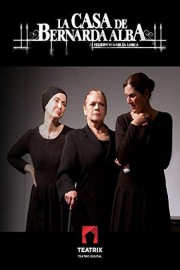
La casa de Bernarda Alba

Where to Watch La casa de Bernarda Alba

La Casa de Bernarda Alba, or The House of Bernarda Alba, is a riveting Argentine film set in 1936 rural Spain. The film was theatrically released in 1987 under the direction of Mario Camus and gave a visually stimulating life to the theatrical play of the same name by Federico García Lorca. The film's intricacies are exquisitely showcased by striking performances from its lead actresses Maria Rosa Fugazot and Adrianna Aizemberg. The Argentine actresses brilliantly pay rightful homage to García Lorca’s original characters, penned in one of the most significant plays of 20th-century Spanish literature.
The narrative of La Casa de Bernarda Alba follows the story of a domineering widow, Bernarda Alba, played with chilling authority by Maria Rosa Fugazot. Bernarda dictates the life of her five unmarried daughters, deprived of freedom and individuality, post her second husband's death. Fugazot's portrayal brings the authoritarian and tyrannical matriarch Bernarda to life, helping viewers understand the patriarchal society and oppressive norms of the time.
The character of Bernarda Alba’s eldest daughter, Angustias, is brilliantly enacted by Adrianna Aizemberg. She is most noteworthy among Bernarda’s daughters as she is the only one who can hope for a life beyond their mother’s whitewashed walls, owing to her inheritance from her father. Angustias’ character is vibrant and substantial, embodying the mixture of hope, fear, and the envisioned dreams of a beleaguered and suppressed soul.
The film unfolds within the confines of Bernarda Alba’s whitewashed house, which symbolizes the standards of purity and honor imposed by society at the time. The environment is tense, as Bernarda enforces an eight-year mourning period following her husband's death, which suppresses her daughters further.
These conditions give rise to a series of events, emotions, desires, and tensions amongst the daughters, who each yearn for love and freedom. The screenplay keeps viewers engaged with an undercurrent of tense energy, depicting the silent struggle of each daughter, all enmeshed in a web of despair and hopelessness. Every liberty denied and every secret yearning suppressed adds a layer of both intrigue and sorrow.
La Casa de Bernarda Alba consistently maintains an aesthetic cleanliness, reflecting the veneer of purity that Bernarda seeks to uphold in her house. The director, Mario Camus, successfully employs cinematic techniques to emphasize the play's themes. The contrasting visuals of the vibrant outdoors and the suffocating interiors of the Alba household are stunning, revealing the oppressive environment within the house.
The screenplay, adapted from García Lorca’s play, pays rich tribute to the original text while making full use of the cinematic medium. It manages to keep Lorca’s poetic allegories and vivid imageries intact while integrating the camera's ability to focus on subtle gestures, expressions, and symbolisms.
Maria Rosa Fugazot as Bernarda Alba and Adrianna Aizemberg as Angustias deliver strong performances, who, along with the ensemble, bring this closed-caste drama to life. The performances capture the contained emotion and repressed desire of their characters compellingly, drawing the viewers into their world and making them identify with their plight.
The film leaves a lingering impact on its audiences with its atmospheric storytelling, which culminates the underlying tension into a breathtaking climax. It stands out for its sharp commentary on gender relations, societal norms, and freedom in a traditional society.
La Casa de Bernarda Alba is a stunning portrayal of a woman's oppressive reign over her daughters, based on Federico García Lorca's famous play. Maria Rosa Fugazot's performance as the authoritarian matriarch Bernarda Alba, and Adrianna Aizemberg's portrayal of the hopeful and fearful Angustias, stand as definitive interpreters of Lorca's powerful characters. The film serves as a potent narrative study of repression, resistance, and longing for liberation in a patriarchal society. This riveting drama, with its vivid characters and lore, makes it a noteworthy adaption, reverberating with the original play's compelling themes.