

Korla
Korla
 7.8/10
Where to Watch Korla

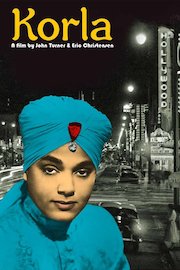
"Korla" is a riveting 2015 American documentary film that unravels the complex life story of music sensation Korla Pandit, cherished as the Godfather of Exotica music. The film is directed by John Turner and Eric Christensen, featuring interviews with entertainers and historians amongst others, including close-ups with the main character - Korla Pandit.
The film brings to center-field Korla Pandit, a mystifying organist who pioneered the genre of lounge or exotic music in the mid-20th century. His hypnotic eyes and equally mesmerizing organ and piano skills won him a massive cult-like following throughout the 1950s and beyond. Always clad in a stylish suit and a flashy Turban, Korla Pandit's performances were unique and spellbinding. Beyond his musical prowess, what set Pandit apart was the captivating persona he presented, a turban-wearing, mysterious, Eastern mystic, speaking in accents, promising to share "musical recipes" for happiness and communicating in music because it was the "universal language."
"Korla" provides an in-depth look at this influential figure's rise to fame. In addition to his compelling persona, the film also focuses on his television show, "Korla Pandit's Adventures In Music," which ran from 1948-1951. This show broke records as the first all-music television program and skyrocketed Pandit's fame, setting the stage for future music programs such as "American Bandstand."
The film spotlights Pandit's major influence on the realm of music but also probes deeper into his identity. Without revealing too much information, the narrative delves into the sparsely known yet transformative aspects of his life which played a significant role in how he shaped his public persona. The film navigatively turns its lens to answer questions about his mysterious past, probing into Pandit's true identity that remained hidden for decades.
The filmmakers Turner and Christensen also provide insightful snippets of the broader social and cultural context of the era. This background significantly intertwines with Pandit's personal journey, shedding light on themes of race, image, and the power of illusion in the entertainment industry in mid-century America. These elements come together to present Pandit not just as a musician, but a societal enigma in his own right.
In addition to the captivating narrative, the directors also do a great job with the technical aspects of the film. The documentary boasts slick production values, with editing that expertly interweaves archival footage, interviews and performances, creating a rich visual and auditory tapestry befitting Pandit's colorful life. Interviews with prominent individuals such as writer Scott Alexander and historian Harry Edwards, amongst others, lend external perspectives and enrich the audience's understanding of Pandit's remarkable career and persona.
"Korla" stands as a compelling journey through the layers of a man who was much more than a skilled musician. It is a striking examination of the intersection of talent, persona, and societal norms in the sprawling framework of showbiz. It is as much about the emergence of television and its potential for forging larger-than-life personalities as it is about a man seeking to balance personal identity with public image.
As such, this film is not just for fans of Korla Pandit or exotica music. Instead, it is for anyone who appreciates or is interested in stories that explore the unfolding of personal identity, especially within societal and cultural contexts, and the complexities of living under a crafted public persona for the sake of art and entertainment.
In capturing Pandit's life and career, "Korla" is a well-researched, immersive biography that tells a fascinating story of music, identity, and illusion. It reflects the amazing, enigmatic and, at times, paradoxical journey of charisma and talent within the widespread sphere of popular culture.
7.8/10