

King of Chinatown
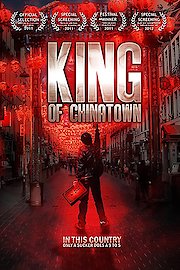
King of Chinatown
In This Country Only A Sucker Does A 9 To 5
 5.8/10
Where to Watch King of Chinatown

King of Chinatown is an intriguing documentary released in 2010 that takes its audience into the burgeoning professional video gaming community, focusing on the intriguing journey of renowned Street Fighter champion Justin Wong. This film delivers a riveting portrayal of the hustling world of e-Sports, providing a deeper exploration of the struggles and successes within the gaming arena.
The film, directed by Calvin Theobald, pivotally features the stories of Justin Wong and his manager, Isaiah 'Triforce' Johnson. Justin, whose skill and rapid finger work on the arcade stick have placed him at the pinnacle of the Street Fighter world, is shown advancing from a talented kid playing in an arcade in New York's Chinatown to a professional player participating in global competitions. His manager, Triforce, who also features prominently throughout the film, adds another layer to the narrative with his aspirations to turn his protege into a profitable brand.
King of Chinatown also introduces the audience to Daigo Umehara, who is another very proficient Street Fighter player. Embodying the pinnacle of professional gaming in Japan, Daigo is known for his strategic gameplay and competitive spirit, making him a formidable opponent in the global gaming stage. His interactions and rivalry with Justin Wong provide the film with its palpable tension and edge-of-your-seat competitive spirit.
The documentary not only offers an inside view of the professional gaming industry, but it also provides a cultural dissection of this subculture that is increasingly evolving into a mainstream sensation. With a keen eye for detail, the filmmakers portray the tough reality of earning a living in a field where success can be as fleeting as a well-timed combo move. It explores the contrasts between the American and Japanese gaming cultures and the barriers that players must overcome to establish their careers.
But at its core, King of Chinatown interestingly uncovers the human aspect of eSports. It showcases the relentless dedication, trauma, triumph, and frustration of those who dare to take gaming from a pastime to a livelihood. It paints a layered picture of the participants in the gaming world, blurring the line between obsession and profession, and intertwining personal strife, ambition, and camaraderie in a fiercely competitive world.
One of the major themes emphasized in the film is the business element behind professional gaming. Through Triforce's continual efforts to monetize Justin's success, viewers get a glimpse of the complexities and the struggles plaguing the relatively new domain of e-sports management. This exploration of the commercial side of professional gaming is a fascinating angle, adding depth to the viewer's understanding of this booming industry.
King of Chinatown also benefits greatly from its well-structured narrative. The filmmakers adeptly weave together human stories with technological growth, depicting not just individuals, but an evolving ecosystem of players, sponsors, and followers. Every round, every match, every win and loss are expertly captured to reflect the stakes and the emotions at play, capturing the beauty and intensity of an industry often overlooked or misunderstood by outsiders.
The film is informative and visually impactful. It cuts from intimate interviews to gripping gaming footage, crafting an atmosphere that is as thrilling as the tournaments themselves. With an impressive underlying score that compliments the on-screen feat and beautifully captures the gaming ambiance, the cinematic style succeeds in creating an immersive experience for both gamers and non-gamers alike.
As the documentary encapsulates the journey of these players, it mirrors the rise of the gaming industry as a whole, tackling its evolution from underground hobby to a globally recognized sport. King of Chinatown proves to be an effectual socio-cultural study, dealing subtly with the issues of fame, the foundational relationship between coach and player, commercialization of eSports, and the ardent fervor around video gaming.
With a compelling narrative, King of Chinatown presents an engaging, in-depth view of a passionate subculture, serving to inform, entertain, and inspire audiences about the potential, allure, and dynamics of the professional gaming world. The creators' evident respect and understanding of the gaming community bring authenticity and relatability to the film, making it a significant piece in the annals of e-sports history.
In conclusion, King of Chinatown is not simply a movie about video games, it's a human story inside a subculture primed for mainstream domination, presenting the audience with an unexpected yet fascinating viewing experience.
5.8/10