

Jingzhe
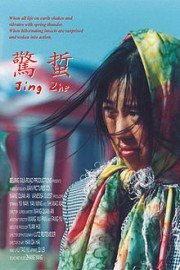
Jingzhe

Where to Watch Jingzhe

Jingzhe, sometimes known in English as "The Story of Ermei" or "Awakening from Hibernation," is a moving and thought-provoking film from China's Sixth Generation director Wang Quan'an and staring the remarkable Yu Nan. Released in 2004, Jingzhe is the story of a young woman named Ermei, portrayed by Yu Nan, whose life gets upended by the harsh societal and the economic conditions of rural China.
Ermei's life is dramatically impacted when her family is forced to pay a considerable fine because her sister has become pregnant again, violating China's one-child policy. The family's despair over the situation is palpable and serves as one of the primary drivers of the plot. Ermei is pushed into a marriage with a much older, wealthy butcher, a contract devised to pay off the family debts.
Yu Nan gives a compelling performance as the young Ermei, capturing her character's deep-rooted desperation and determination in juxtaposition with her naivety and innocence. Her life is one of hardship, and it is heart-wrenching to see her dreams and ambitions repeatedly crushed by the harsh realities of her life. Despite that, she exhibits a resilient spirit and a will to escape her circumstances.
Jingzhe does not shy away from depicting the very bitter and stark realities of rural life. The movie also tackles the issues of gender imbalance and social inequality in a manner that is raw and thought-provoking. From bustling marketplaces to fields filled with traditional Chinese grave mounds, the film’s setting sketches a realistic picture of the grim struggles of life on the fringes of modernizing China.
The title "Jingzhe" refers to the third of the twenty-four 'solar terms' under the traditional Chinese lunar calendar. It symbolizes the end of winter and the arrival of spring, commuting a sense of awakening from hibernation. The word "Jingzhe" carries heavy symbolism within the film and can be interpreted as a metaphor for Ermei’s journey, reflecting the hope and determination she holds against the cold harshness of her life circumstances.
While the narrative is overwhelmingly tragic in nature, it is interspersed with moments of everyday life and levity, keeping it grounded and relatable. The characters are multilayered and well-developed, with each bringing unique perspectives and further depth to the story. Whether it be Ermei's sister, her old suitor, the butcher, or her parents, every character's story adds to the richness of this multi-faceted narrative.
One of the defining features of Jingzhe is its stunning cinematography. The picturesque rural landscapes beautifully captured and the use of natural lighting add a layer of stark realism. Simultaneously, the subtle shots of simple, daily routines provide a piece of realism that reasserts the normalcy in the midst of the turbulent world.
The use of long, uninterrupted shots gives time for the audience to digest the dense narrative and contemplate the intense emotional states of the characters. Wang Quan'an does an exceptional job of balancing this complex narrative with a visual sensory experience. The director's choice to use non-professional actors from the area where the movie was filmed adds another layer of realism and depth to the story.
Viewers should be prepared for a powerful journey into the often unseen realities of modern rural China. "Jingzhe" is not an easy watch, but it's an essential one – a poignant reminder of the harsh wages of rapid societal changes, the struggle for survival, and the enduring resilience of the human spirit. Well-deserving of its Golden Bear award at the Berlin International Film Festival, Jingzhe delivers a moving portrait of personal resilience against the harsh backdrop of societal confines and hardship. It stands as a lasting testament to Yu Nan's acting prowess and Wang Quan'an's directorial gift.