
Iran: A Cinematographic Revolution
Iran: A Cinematographic Revolution
 7.4/10
Where to Watch Iran: A Cinematographic Revolution

Iran: A Cinematographic Revolution is a fascinating 2006 documentary film that explores the unique and vibrant Iranian film industry. This riveting adventure through the history and evolution of Iranian cinema is directed by Nader Takmil Homayoun and features appearances by renowned Iranian film personalities Rakhshan Banietemad, Bahram Beyzaie, and Farokh Ghafari, among others.
The movie opens eyes to the rich, deep, and multi-faceted tapestry of Iranian film, transplanting the audience from their seats and transporting them right into the heart of Iranian cultural life and history. Rather than merely focusing on the films themselves, the filmmakers delve into the context in which these films came to be, exploring the deep-rooted historical, political, and social aspects that have shaped the growth and development of filmmaking in Iran.
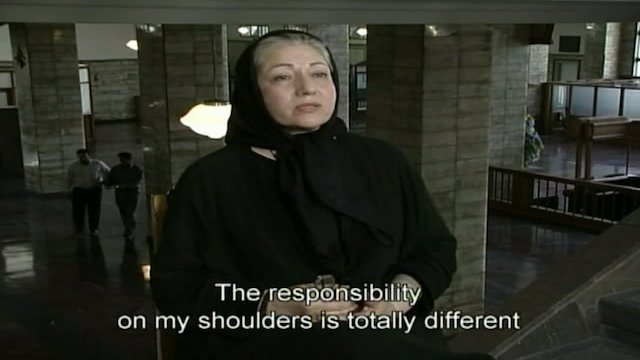
Rakhshan Banietemad, one of Iran's leading woman directors, offers insightful commentary, speaking from the perspective of a female filmmaker in a predominantly male-driven industry and against the backdrop of an intensely patriarchal society. She provides viewers with an illuminating perspective on the struggles and triumphs of female filmmakers and the role of women in Iranian cinema.
Award-winning director Bahram Beyzaie, a leading figure in the country's film industry, contributes robust knowledge and experience obtained from his decades-long career. Through his eyes, we gain a comprehensive understanding of the stark contrasts seen within the cinematic landscape of Iran, where magnificent creativity often blooms amidst severe social challenges and constraints.
The third key figure, Farokh Ghafari, one of the pioneers of Iranian cinema, brings his personal narration of the birth of Iranian cinema. Ghafari, having been influential during the earliest days of Iranian film, highlights the initial challenges and subsequent triumphs that defined this nascent stage of the industry. His commentary provides a captivating summary of the significant events and transformations that have shaped Iranian cinema into its current form.
As the documentary progress, it charts the evolution of Iranian cinema, through the era of silent films, the revolution, war periods, and the Islamic revolution in 1979, up to today's burgeoning industry. It showcases a meticulously detailed chronological account of Iranian cinema – from its humble beginnings to the current state, where it boasts of producing some of the most innovative films in world cinema. The documentary employs a mix of dramatic film clips from various periods, archival footage, and insightful interviews. The 96-minute feature is as much a societal observation as it is a cinematic exploration, offering a balanced portrayal of Iranian film culture.
Iran: A Cinematographic Revolution takes a multi-layered approach, examining the content and messages of the films produced, as well as the filmmakers themselves and the intricate social, political, and cultural factors that have influenced Iranian cinema. One notable subject is how filmmakers cope with censorship, especially post the Islamic revolution. It paints an intriguing picture of cinema serving as a form of resistance and a vehicle for voices that would otherwise go unheard.
Unlike a ‘simple’ history of Iranian cinema, the film goes deeper into the societal complexity and how history has dramatically shaped the industry, hence allowing the viewer to observe the unique interplay between film narrative and political ideologies in Iran. It comes off as an illuminating visual discussion that expands the viewers' understanding of this unique cinema and its inherent and intricate ties to societal change and development.
In essence, Iran: A Cinematographic Revolution is a must-watch for cinema lovers and history buffs alike. It provides an in-depth exploration of one of the world's most intriguing film industries, exposing viewers to a marvelous cultural journey steeped in historical context and social significance. The documentary weaves a compelling and intricate narrative of artistic resilience, creative innovation, and cultural expression, tracing how Iran's turbulent history has deeply influenced its cinematic revolution.
7.4/10