

Human Terrain
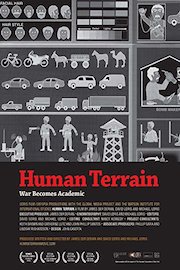
Human Terrain

Where to Watch Human Terrain

Human Terrain is a compelling independent film that delves into the complexities of modern warfare, cultural understanding, and the ethical dilemmas faced by military personnel in conflict zones. Set against the backdrop of the War in Afghanistan, the narrative centers around the innovative yet controversial Human Terrain System, a program designed to provide U.S. military forces with crucial cultural insight to aid in counterinsurgency operations.
The film follows the story of a young anthropologist, whose expertise in local cultures becomes essential as she is embedded with an Army unit deployed to a volatile region. As she navigates the challenges of integrating anthropological practice with military objectives, the film raises poignant questions about the role of social science in war, the potential for exploitation, and the moral responsibilities of individuals working within a system often driven by power and violence.
Throughout the film, audiences see the anthropologist grapple with her convictions and the reality of combat. She struggles to balance her commitment to understanding and respecting local customs with the demands of military strategy. This tension is exacerbated by her interactions with soldiers who display varying degrees of interest and respect for the cultural insights she offers. Some see her as an invaluable asset, while others view her role with skepticism or disdain, questioning the efficacy of her work.
Human Terrain not only explores the professional challenges faced by the anthropologists but also highlights their personal struggles. The protagonist's evolving relationships with the soldiers—some who are deeply invested in the mission and others who are simply trying to survive—create a rich landscape of human emotion and moral ambiguity. The film captures moments of camaraderie, conflict, and isolation, illustrating how individuals cope with the strains of combat and the complexities of their mission.
Visually, Human Terrain presents a stark contrast between the beauty of Afghanistan’s landscapes and the harsh realities of life in a war zone. The cinematography captures the intricate details of everyday life, from bustling markets to serene mountain vistas, alongside the chaos of military operations. This juxtaposition serves to emphasize the disconnect between the anthropologist’s desire to understand the local culture and the often brutal realities of war.
The film also takes a critical look at the implications of the Human Terrain System itself. As the protagonist engages with the local population, she begins to witness firsthand the unintended consequences of military actions. The relationships she builds with locals, intended to foster understanding, are complicated by the broader geopolitical implications of the U.S. presence in the region. This raises essential questions about the nature of intervention, the ethics of cultural representation, and the potential for miscommunication in a hostile environment.
In addition to its exploration of anthropology and warfare, Human Terrain delves into themes of identity, loyalty, and the search for meaning in a chaotic world. The protagonist’s background, motivations, and evolving sense of duty inform her choices and highlight the often personal nature of political conflict. Through her journey, the film probes the limits of cultural understanding when faced with the stark realities of military engagement.
The supporting cast enhances the narrative, providing diverse perspectives on the challenges of military life and the impact of war on both soldiers and civilians. Each character brings their own stories and struggles, contributing to a multi-faceted portrayal of life in a conflict zone. The interactions between the protagonist and these characters are imbued with tension and emotional depth, highlighting the varying motivations that drive individuals in wartime.
As the film progresses, it prompts viewers to reflect on the broader implications of warfare in the 21st century. How can one truly understand a culture from the outside? What responsibilities do people have when inserting themselves into situations that are foreign to them? The film challenges audiences to consider the consequences of actions taken in the name of security and peace, urging a re-examination of preconceived notions about intervention, empathy, and the human experience.
In conclusion, Human Terrain is an evocative film that examines the intersection of culture, war, and the human condition. With its thoughtful narrative, complex characters, and striking visuals, it captures the tumultuous landscape of contemporary conflict while raising essential questions about the role of social science in military operations. It's a thought-provoking exploration of empathy, responsibility, and the intricate web of relationships that exists in the theater of war. Through its nuanced portrayal of the protagonist's journey and the myriad challenges she faces, the film offers a poignant reflection on the nature of understanding in an increasingly divided world.