

Histories Of The Holocaust: Dachau - Liberation And Retribution
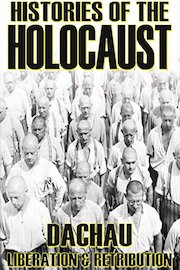
Histories Of The Holocaust: Dachau - Liberation And Retribution

Where to Watch Histories Of The Holocaust: Dachau - Liberation And Retribution

Histories Of The Holocaust: Dachau - Liberation And Retribution is an evocative documentary film that sheds light on a grim period from world's history: The Holocaust. This particular part of the series focuses on the storied concentration camp Dachau, documenting its progression from its inception, through its time of terror, to its eventual liberation and the subsequent retribution faced by its oppressors.
Established near Munich in 1933, Dachau was the first Nazi concentration camp in Germany. Over its twelve years of existence, it became synonymous with the horrors and atrocities of the Holocaust. In this meticulously researched, professionally produced, and historically vital film of the 'Histories of The Holocaust' series, viewers are taken on a comprehensive and stirring tour of Dachau during and after the Nazi regime.
The film begins by systematically bringing to life the chilling reality of life in Dachau through an incredible collection of archival footage, survivor interviews, and expert analyses. The filmmakers don't shy away from the harrowing details of the concentration camp's history and provide an unblinking look at the oppressive living conditions, forced labor, medical experimentation, and mass executions that became the norm in Dachau. This stark depiction serves to crystalize the tragedy of the Holocaust and the immense human suffering it implied.
As the narrative shifts, the film delves into the eventual rescue of the surviving prisoners. The liberation of Dachau by American forces in April 1945 is portrayed with a mix of relief and horror- the joy of survival mingled with the shock of the liberators as they understood the depth and scale of Nazi barbarity. The heartrending testimonies of survivors and liberators alike add a layer of emotional resonance to the stark factual narrative.
The documentary does not stop at Dachau's liberation. It presents the aftermath in an objective and comprehensive manner, focusing on the immediate humanitarian efforts, the attempts to bring the perpetrators to justice, and the worldwide reverberations. The movie guides the viewer through the gripping process of retribution, where former SS officers and Nazi officials were put on trial by the International Military Tribunal. This part of the documentary is extremely engaging as it presents newly discovered footage of these trials and personal accounts from the key people involved.
The film also manages to provide a thoughtful exploration of Dachau's lasting impact on global conscience. It outlines international reactions and describes how Dachau, a symbol of Nazi terror, morphed into a somber monument of memory and a crucial touchstone for understanding the Holocaust.
Distinctive in its approach, Histories Of The Holocaust: Dachau - Liberation And Retribution seeks to promote understanding and awareness rather than merely recount historical occurrences. Utilization of a multitude of primary sources like archives, photographs, personal papers, and interviews of survivors breathe life into the grim past, enabling the audience to perceive the unimaginable enormities of the Holocaust on a more intimate and personal level. Renowned historians and scholars featured in the film offer valuable insights, opinions, and context that enrich the historical narrative.
The film’s technical merit matches its thematic depth. The powerful score, respectful narration, engaging editing, and the well-placed archival footage contribute towards an overall intense cinematic experience. The balance between the graphical horrors of Dachau and the precise, measured commentary is particularly well established, avoiding the twin pitfalls of sensationalism or trivialization of a disturbing historical period.
In conclusion, Histories Of The Holocaust: Dachau - Liberation And Retribution is more than just a documentary. It is an intense, emotional journey through one of the darkest chapters of human history. It is an insightful exploration of how humanity dealt with the aftermath of such unparalleled atrocities and how it continues to remember, learn, and draw lessons from this dark saga of the past. It is both a tribute to the victims of the Holocaust and a cautionary tale for future generations.