

H.G. Wells and the War of the Worlds: A Documentary
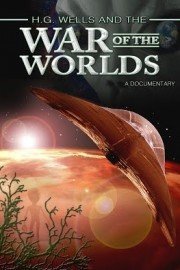
H.G. Wells and the War of the Worlds: A Documentary

Where to Watch H.G. Wells and the War of the Worlds: A Documentary

H.G. Wells and the War of the Worlds: A Documentary delves into the life and works of one of the pioneering figures in science fiction literature, H.G. Wells. This documentary takes viewers on a fascinating journey through the origins and impact of Wells’ seminal novel, The War of the Worlds, which was first published in 1898. Blending historical context, literary analysis, and reflections on cultural significance, this film provides a comprehensive exploration of Wells’ contributions to literature and society.
The documentary opens with an overview of H.G. Wells’ early life in Victorian England, where he was shaped by the scientific advancements and societal changes of the time. By examining Wells’ childhood and education, the film reveals how his experiences influenced his writing and thought processes. The viewer gains insight into his unique perspective on the world, marked by a keen awareness of social inequalities and a fascination with scientific progress and its implications.
As the narrative progresses, the documentary introduces viewers to The War of the Worlds itself, framing it within the broader context of Wells’ body of work. Through expert interviews and literary critiques, the documentary discusses the novel’s themes, including imperialism, human survival, and the capabilities of technology. Wells’ story of an alien invasion serves as a powerful allegory for the fears of his time—reflecting the anxieties surrounding colonial expansion, war, and the future of humanity as it stood on the brink of the 20th century.
The documentary also explores the innovative narrative style Wells employed to craft The War of the Worlds, which was groundbreaking for its era. Oral historians and literary scholars analyze key passages and the structuring of the story, noting how Wells' use of first-person narrative immerses the reader in an intense, visceral experience. The film thoughtfully critiques the way he evokes fear and urgency, drawing parallels between the Martian invasion and the human experience of conflict and chaos.
Moreover, the impact of The War of the Worlds extends far beyond its initial publication. The documentary skillfully chronicles the book’s cultural legacy, including adaptations across various media. From radio broadcasts to films, including the infamous 1938 Orson Welles production that caused widespread panic, the documentary underscores how the story has resonated with audiences for generations. Experts discuss the ways in which each adaptation has interpreted and transformed Wells’ original work, reflecting societal fears and technological advancements of their respective times.
Additionally, H.G. Wells and the War of the Worlds sheds light on the social and political climate of the period. By situating Wells among contemporaries like Jules Verne and Mark Twain, the documentary highlights a burgeoning genre of speculative fiction and its place in the literary canon. It examines Wells’ ideas alongside those of other thinkers of the time, exploring how literature served as a platform for discussions about progress, dystopia, and the human condition during a time of immense change.
The documentary presents various interpretations of the novel's central questions: What does it mean to be "civilized"? How do we respond to existential threats? It invites viewers to consider the broader implications of Wells' work in relation to modern-day issues such as climate change, technological ethics, and human resilience in the face of crises. By engaging with contemporary scholars and commentators, the film invites thought-provoking dialogue about the relevance of Wells’ ideas in today’s world.
Another key aspect of the documentary is its visual storytelling. Richly illustrated with period photographs, documents, and artistic representations, the film draws viewers into the late 19th-early 20th century landscape. Artful animations and reenactments help bring the narrative of The War of the Worlds to life, creating a visceral experience that captivates both literary enthusiasts and casual viewers alike. Through these elements, the documentary maintains an engaging and dynamic pace, balancing education with entertainment.
H.G. Wells and the War of the Worlds: A Documentary ultimately serves as a tribute to the visionary mind of H.G. Wells, celebrating his status as a forefather of science fiction. It encourages viewers to reflect on the enduring power of narrative to shape consciousness and provoke thought. By examining Wells’ profound insights into humanity's fears and aspirations, the film invites us to believe in the transformative potential of storytelling—a theme as relevant today as it was over a century ago.
In summary, this documentary is not only an exploration of Wells’ literary achievements but also a critical examination of the intersections of science fiction, culture, and history. It stands as a compelling homage to a writer whose visions of the future continue to inspire and challenge our understanding of ourselves and the universe we inhabit.