

Go Tell it on a Mountain
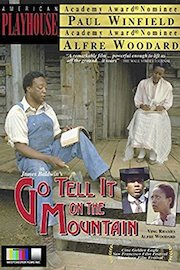
Go Tell it on a Mountain

Where to Watch Go Tell it on a Mountain

Go Tell It on the Mountain is a cerebral and gripping drama film released in 1985, directed by Stan Lathan. The ensemble cast includes renowned actors Paul Winfield and Alfre Woodard, who deliver intense and mesmerizing performances that contribute enormously to this cinematic rendering of the acclaimed novel by James Baldwin.
The film delves into the internal struggles, spiritual conflicts, and generational disagreements in a deeply religious African-American family. At its heart, it aims to provide a contemplative exploration of faith, resilience, and personal growth. The story is set mostly in the Harlem district of New York City in the early part of the 20th century, but it also intricately weaves in flashbacks from rural Maryland during the deep-seated Jim Crow era.
Paul Winfield portrays Gabriel Grimes, a fire-and-brimstone Pentecostal preacher. Winfield’s performance exhibits a man grappling with his guilt, past regrets, and the struggle to maintain a firm grip over his family and faith. Gabriel Grimes is an imposing figure who fosters an environment of fear more than aspiration, and Winfield skillfully maneuvers the tough terrain of portraying such a complex character with repressed agony and a descent into self-destruction.
Alfre Woodard steps into the role of Elizabeth, Gabriel's stoic yet strong-willed wife. Struggling with her own harrowing past and a loveless marriage, Woodard's Elizabeth is a character study in resilience and silent resistance. She delicarily balances her act between submission to her husband's dictates and an inherent rebellious streak that seeks a better life for her children outside the confines of religious dogma.
The storyline primarily revolves around the teenage son, John (James Bond III). On his 14th birthday, John faces a spiritual awakening and a rebirth of purpose. Torn between his call to faith and the allure of the wide, secular world, John represents the universality of a youngster's struggle for individuality and autonomy - intensifying in the face of a repressive paternal figure.
'Go Tell it on the Mountain' encapsulates the family’s struggle for salvation and the burdens of patriarchal expectations. The film's narrative unspools over a single day - John's birthday, seamlessly moving between the past and present, unraveling deep-seated secrets, unfulfilled dreams, and highlighting the constant battle between sin, repentance, and reconciliation. Among the most poignant themes trekking through the narrative is the examination of how cyclical patterns of abuse and repression can be passed through generations under the guise of faith.
The setting of mid-1920s Harlem dextrously projects the aura of the era. From the local jazz bars, glittering with life and music, to the claustrophobic confines of the Grimes’ home, every frame in the film bristles with authenticity. The flashbacks, marinated in sepia tones, lend an added depth to the narrative, unearthing layers beneath the characters and their relationships.
Filmmaking technique too plays a crucial role. The use of close-ups attempts to delve into the inner world of the characters, adding a psychological texture to the narrative. Moreover, the cinematography effectively captures both the bustling urban life and the stark contrast of fragmented, repressed dreams languishing within homes. The dialogue is sharp and piercing, contributing to the emotional heaviness of the narrative and echoing Baldwin's piercing narrative tone in his novel.
The gospel numbers, an integral part of the characters' religious fervor and expression, resonate against the backdrop of the tense narrative. While they provide a sense of community and shared spiritual experience, they also underscore the claustrophobic, oppressive nature of the Grimes family's life.
'Go Tell It On the Mountain' is a challenging and thought-provoking film. It's a powerful portrayal of the human spirit grappling with faith, devotion, personal regrets, and tormenting secrets. It is not shy of presenting broken dreams and hopes, and the constant quest for redemption. The potent performances of Paul Winfield and Alfre Woodard, along with the rest of the cast, make the narrative all the more evocative and worthwhile.
In essence, the film is a compelling reflection and exploration of the human condition within the complex fabric of religious faith, familial responsibilities, societal prejudices, and personal veils of regret. It's a cinematic journey through a time machine, offering insights into an era defined by repression and the incessant struggle for salvation and freedom.