

Forgotten Voices, Women in Bosnia
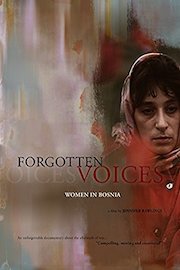
Forgotten Voices, Women in Bosnia
 7.9/10
Where to Watch Forgotten Voices, Women in Bosnia

Forgotten Voices, Women in Bosnia is a poignant documentary that delves into the haunting realities faced by women during and after the Bosnian War in the 1990s. Directed by renowned filmmaker Lorna Tee, the film highlights the personal stories of women from various backgrounds who endured unimaginable hardship and loss amid the brutal conflict that tore through the former Yugoslavia. The documentary's primary aim is to give a voice to these women, shedding light on their experiences and the specific challenges they encountered in a landscape ravaged by war.
Set against the backdrop of a tumultuous period in history, the film is structured around personal testimonies, archival footage, and powerful imagery that together paint a vivid picture of the political and emotional turmoil experienced by women in Bosnia. The narratives captured in the documentary reveal the complexity of their experiences—stories of survival, resilience, and, at times, overwhelming despair. Each woman's story serves as a thread in the larger tapestry of war, allowing the audience to grasp both the individual and collective trauma that resulted from the conflict.
The documentary brings forth the stark reality of sexual violence, displacement, and loss that many women faced during the war. It tackles sensitive topics with grace and compassion, acknowledging the intersection of gender and violence in a wartime context. The women share their experiences of the atrocities committed against them, illustrating how these acts not only inflicted physical harm but also irrevocably altered their lives and communities. The filmmakers approach these difficult subjects with sensitivity, ensuring that the focus remains on the women's voices and their journeys of healing.
Moreover, Forgotten Voices, Women in Bosnia emphasizes the importance of resilience and solidarity among women in the aftermath of such catastrophic events. The film showcases various organizations and community initiatives that have been established to support survivors, highlighting the strength of sisterhood and community in the face of suffering. Interviews with activists and community leaders underscore the role of women's advocacy in promoting awareness, healing, and ultimately, reconciliation. The film illustrates how these women have come together to share their stories, fostering a sense of empowerment that transcends their past traumas.
Visually, the documentary employs a careful blend of intimate interviews and evocative cinematography. Viewers are presented with images of the Bosnian landscape, juxtaposed with the harsh realities of urban destruction, allowing a powerful sense of place that further engages the audience. The cinematography captures the beauty of Bosnia's natural scenery while also contrasting it with the remnants of war, thus evoking a deep emotional response. The film's aesthetic choices help to immerse viewers in the cultural and historical context of the narratives, enabling them to connect on a personal level with the subjects.
The soundtrack of the documentary adds another layer to the storytelling, enhancing the emotional depth of the film. The use of music, both traditional and contemporary, weaves through the narratives, amplifying the sense of loss, hope, and resilience that characterizes the women's experiences. This careful attention to sound design allows the film to resonate profoundly as it explores themes of memory and identity.
In addition to personal testimonies, Forgotten Voices, Women in Bosnia incorporates expert commentary from historians, psychologists, and sociologists, providing a broader context for understanding the impact of the war on women. This scholarly input enriches the documentary by situating individual stories within systemic frameworks of violence, gender inequality, and post-conflict recovery. The analysis complements the personal narratives, inviting viewers to reflect on the broader implications of war on women worldwide.
The film serves not only as a historical record but also as a call to action, urging audiences to recognize the ongoing struggles faced by women in conflict zones. It emphasizes the importance of listening to and amplifying women's voices in peace-building efforts, highlighting the essential roles women play in reconstructing their communities and advocating for their rights. Forgotten Voices, Women in Bosnia is a testament to the resilience of the human spirit, illustrating how stories of courage and hope can emerge from the darkest of times.
In conclusion, Forgotten Voices, Women in Bosnia is a powerful exploration of the traumas endured by women during one of the most brutal conflicts in recent history. With its compelling narratives and evocative visuals, the documentary serves as an essential reminder of the complexities of war and the strength of those who survive it. By giving voice to marginalized experiences, the film not only honors the women of Bosnia but also contributes to the broader discourse on gender, violence, and recovery in post-conflict societies. It is an essential viewing for anyone seeking to understand the lasting impact of war on individuals and communities, as well as the importance of resilience and solidarity in the face of adversity.
7.9/10