

Episode of the Sea
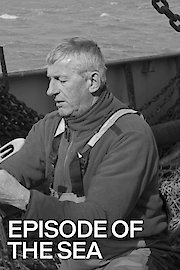
Episode of the Sea
 6.3/10
Where to Watch Episode of the Sea

Episode of the Sea is a compelling 2014 feature-length film by directors Lonnie van Brummelen and Siebren de Haan that ties into the documentary genre with fictional undertones. Starring native Texel Islanders Femmy Brands, Tinie De Boer, and Hennie De Bruijne, the film is an intricate depiction of a community frozen in time, bringing into question our relationships with nature, community, labor, and the slow but steady march of progress.
The film revolves around the small, offshore fishing community in Texel Island in the Netherlands. It communicates the substantial and intricate link interwoven between this community's day-to-day lives and the sea that surrounds them. The decisive aspects of their lives take place in the backdrop of the sea, which they confront with bravery, respect, and sheer willpower. The ordinary characters take center stage, playing their real-life roles and adding an authenticity to the narrative that is both unique and captivating.
Femmy Brands, Tinie De Boer, and Hennie De Bruijne shine in their roles. They portray themselves – and by extension, their community – in a manner that's sincere and relatable. Despite the film's minimalist and subdued tone, their performances reveal a deep undercurrent of passion for their way of life, rendering a vivid portrait of a close-knit community's neglected stories.
Episode of the Sea employs an interesting mix of black and white 35mm film and digital images that present a stark depiction of the Texel Island's life and environment. The cinematographic choices in the film set a unique tone with an artistic approach, hearkening back to the aesthetics of silent cinema. This choice excellently underlines the duality between the timelessness of this system of living and the modern world encroaching upon it.
The directors, Brummelen and De Haan, present a nuanced narrative about, and celebration of, traditional ways of life that resist the pressures of an ever-globalizing world. They do so by projecting the struggles, steadfastness, adaptability, and communal spirit of the Texel Islanders.
One of the notable elements in Episode of the Sea is the poetic narration, which often takes the form of letters written by the Islanders to the mainlanders. These influencing narratives flesh out the overarching philosophical discussions. It's through these letters that the community voices their concerns, detailing the intricacies of their struggles and strengths that mainstream society might often overlook.
The storytelling method in Episode of the Sea is understated yet powerful. It does not just offer a window into the lives of the tight-knit Texel community but provides an invitation for viewers to self-reflect. The film does a masterful job of underlining the collective memory, adaptation, and resilience of this community. It is a potent reminder that integral systems of life and labor, such as these, continue to persist, oftentimes unnoticed.
Outstandingly, the film also provides a rare view into the anthropological aspect of society juxtaposing it against historical, environmental, and societal shifts. It offers silent commentary on how this community's centuries-old way of life is constantly under threat from the relentless push of modernization and bureaucracy. The movie quietly critiques the capitalist demands for efficiency and scalability that often leave smaller, sustainable communities behind.
Episode of the Sea is not just about an immediate community struggling against the forces of nature, regulations, and time, but it's a poignant exploration of the universal human condition. By shedding light on this lesser-known community and way of life, the film invites viewers to question how we perceive progress and tradition, labor and leisure, sustainability and growth.
In conclusion, Episode of the Sea is an evocative ode to the perseverance of a dedicated community living on the edge – both metaphorically and physically. This film's unique charm lies in its uncanny ability to be small scale yet universal, specific yet relatable. It provides a fresh lens for viewers to observe compelling human narratives that often get lost in the broader discourse of progress and societal advancement. The movie is a moving study of tradition, conservation, identity, and adaptation to the larger forces at play. It's a must-watch for anyone interested in thought-provoking, real-life narratives.
6.3/10