

Edvard Munch Volume 1
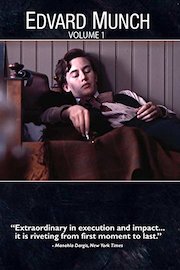
Edvard Munch Volume 1

Where to Watch Edvard Munch Volume 1

Edvard Munch Volume 1 is a richly-textured biographical drama that illuminates the life of renowned Norwegian painter, Edvard Munch. Released in the 1970s, the movie stars Geir Westby in the eponymous role alongside Gro Fraas who beautifully portrays the various women who deeply impacted Munch's life. Directed by Peter Watkins, the film meticulously recreates the world of the late 19th and early 20th century while recounting the personal and professional journey of one of the pioneers of the expressionist movement in modern painting.
The film serves as an exploration of the tormented and plagued soul of this extraordinary artist, and simultaneously provides an insightful vision of the tumultuous era that shaped his work. Munch's life story is marked by illness, death, and existential dread, elements that heavily pervaded his art. Geir Westby embraces the role masterfully, portraying Munch as a disturbed yet profoundly sensitive man whose health and emotional well-being were persistently compromised by his artistry. Westby beautifully depicts Munch's deep anguish and creative fervor that stood in stark contrast against the stifling conservatism of 19th-century Oslo.
Opposite to Westby, Gro Fraas embodies a series of women who greatly influenced the Artist's life and contributed to weaving the intricate tapestry of his art. Fraas, playing Munch's model, lover, and muse, adds a tangible layer of depth to the movie as she brings to life the women who served as compelling stimulus to Munch's relentless exploration of the human condition.
Edvard Munch Volume 1 is visually arresting, and meticulously recreates the bohemian environment of late 19th-century Europe. Through masterful framing and the use of muted color, the director creates scenes which echo the raw and melancholic aesthetic of Munch's paintings. Throughout the film, the story is intercut with actual pieces of Munch's art, offering viewers an unforgettable experience of observing life imitating art and vice versa, blurring the lines between cinema and paintings.
The score of the movie deserves a special mention as it further intensifies the profound emotional depth and pathos that Munch’s life story demands. Its haunting melodies aptly mirror the inner turmoil of the artist, subliminally leading the audience into the labyrinth of the painter's troubled psyche.
However, it's not just Munch that the film is interested in portraying. The socio-political backdrop of 19th-century Europe is vividly depicted, with particular focus on the impact of radical movements that pushed against the conservative norms of the era. The women's rights movement, surprisingly enough, plays a crucial role in framing the narrative, working as a potent external force that shapes the artist’s perception and understanding.
Throughout two and a half hours of its duration, the movie does not waver from its aim - to capture the essence of Munch's tumultuous life and effectively echo the intensity of his paintings. But Watkins also makes sure that it transcends the customarily linear narrative of traditional biopics, opting instead for a fragmented, non-linear storytelling that mirrors the fragmented state of Munch's own psyche.
One of the most exceptional features of Edvard Munch Volume 1 is the breaking of the fourth wall. The director uses this method to create an atmosphere of intimacy and directness, fostering a personal connection between the characters and the audience. This interaction enhances our understanding of Munch's mental landscape, his motivations, and his anxieties, pulling us deeper into the artist's world.
In conclusion, Edvard Munch Volume 1 is a striking cinematic portrait of a disturbed genius, an insightful exploration of a revolutionary era, and a poetic homage to the world of art. It is a movie that engages, educates, and emotionally moves its viewers, leaving a lingering impression long after the screen has darkened. While the movie can be intense and challenging, it offers a unique portrayal of the man behind 'The Scream', and ultimately serves as an evocative exposition of a life lived for art, brimming with pain, passion, and sublime beauty.