

Earth To The Moon: Mercury, Gemini, Apollo Missions 1958 to 1972
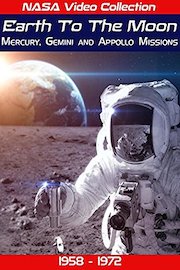
Earth To The Moon: Mercury, Gemini, Apollo Missions 1958 to 1972

Where to Watch Earth To The Moon: Mercury, Gemini, Apollo Missions 1958 to 1972

Earth To The Moon: Mercury, Gemini, Apollo Missions 1958 to 1972 is a captivating documentary that takes viewers on an extraordinary journey through the early years of space exploration. This film meticulously chronicles the pioneering missions that laid the foundation for humanity's venture into the cosmos, covering a transformative period from the late 1950s to the early 1970s.
The documentary opens with the backdrop of the Cold War, a time marked by intense rivalry between the United States and the Soviet Union. As tensions escalated, both nations sought to demonstrate their technological prowess, leading to a space race that would capture the world's imagination. The film delves into the inception of NASA (National Aeronautics and Space Administration) and the establishment of the Mercury, Gemini, and Apollo programs, showcasing their significance in the stride towards human spaceflight.
Mercury begins the journey as the United States’ inaugural human spaceflight program. The film details the selection of the first seven astronauts, often referred to as the "Mercury Seven." Each individual is spotlighted, revealing their backgrounds, training, and the immense pressures they faced as the nation’s first cosmic pioneers. Through rich archival footage and personal anecdotes, the film paints a vivid picture of their experiences, capturing both the exhilaration and apprehension of launching into the unknown.
Transitioning to the Gemini program, the documentary highlights the advancements made in space technology and mission objectives. Gemini was essential for perfecting orbital maneuvers and conducting spacewalking techniques, directly paving the way for the Apollo missions. The film celebrates the dramatic and innovative approaches taken by NASA scientists and engineers, emphasizing the importance of these missions in gathering critical data and testing equipment vital for the moon landing.
Apollo, the most celebrated of the three programs, forms the heart of the documentary. The film provides an in-depth look at the ambitious goal set by President John F. Kennedy in 1961: landing a man on the moon and returning him safely to Earth by the end of the decade. Overcoming monumental challenges, Apollo became synonymous with human ingenuity, perseverance, and the triumph of the human spirit.
As the documentary unfolds, viewers are treated to an array of stunning visuals, technical insights, and narratives that illustrate the profound impacts of the missions. The film captures not only the monumental successes but also the failures and setbacks faced by the teams, including the tragic Apollo 1 fire, which claimed the lives of three astronauts during a pre-launch test. It explores the vulnerability and resilience of those involved, bolstering a narrative that is as much about hope as it is about exploration.
The cinematography utilized in the documentary immerses the audience in the grandeur of space and the intricacies of spacecraft design. Interviews with astronauts, engineers, and historians lend first-hand perspectives, while detailed animations and intricate graphics supplement the storytelling, making complicated scientific concepts accessible to a broad audience.
In addition to the technical aspects, Earth To The Moon also emphasizes the cultural and societal reverberations of the space race. It examines how the missions inspired a generation and captured the imagination of millions around the world. From the electrifying live broadcasts of moon landings to the awe-inspiring photographs taken by astronauts, the film encapsulates the public's fascination with exploring the final frontier. It portrays not only the triumphs of science but also the universal allure of adventure.
The documentary pays homage to the many unsung heroes behind the scenes—scientists, technicians, and support staff—who worked tirelessly to overcome virtually insurmountable odds to ensure mission success. Their commitment and ingenuity fueled innovations that have since permeated various fields, transforming technology and industry as we know it.
Engaging the audience on an emotional level, the film delves into the personal sacrifices made by the astronauts and their families, exploring the dynamics of their relationships and the toll that testing the limits of human capability can take.
Earth To The Moon: Mercury, Gemini, Apollo Missions 1958 to 1972 is not just a recount of historical events; it is a celebration of the triumph of human endeavor, curiosity, and the relentless pursuit of knowledge. It invites viewers to reflect on the significance of these milestones in human history, encouraging a renewed appreciation for exploration and innovation. The film is ideal for anyone interested in space exploration, history, and the evolution of technology, making it a compelling addition to the documentary genre. Through its expansive narrative, it crafts a legacy that resonates with audiences, invoking admiration for both the pioneering spirit of the past and the possibilities that lie ahead.