

Ealing Rarities: Frieda
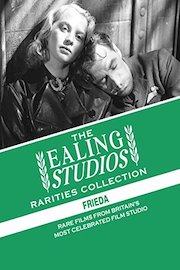
Ealing Rarities: Frieda

Where to Watch Ealing Rarities: Frieda

'Ealing Rarities: Frieda' is a cinematic masterpiece in the developer's hat of Ealing Studios, one of the foremost producers of British film noir during the first half of the 20th Century. This 1947 classic stars an impressive roster of British talent, including David Farrar and Glynis Johns, and is reflective of the studio's trademark blend of drama and character-driven narrative.
David Farrar, known for his intense portrayals, plays the leading male role. He is Robert Dawson, a brave and righteous RAF bomber pilot who, despite the imminent World War II, continues to hold steadfast to his belief in human dignity and respect. Farrar's performance brings depth and authenticity to his character, and his chemistry with the film's lead actress is both palpable and engaging.
Glynis Johns stars opposite Farrar as the eponymous character, Frieda. Johns brings emotional depth and contrast to her role. As a German nurse, she exemplifies the best of humanity, despite the escalating war tearing apart her home country. Johns ably portrays the conflict grappling Frieda: her love for her new life and loyalties to her home country.
'Ealing Rarities: Frieda' is a tale of love, loyalty, and human resilience set amidst the backdrop of World War II. Frieda, after saving Robert from the ruins of a bombed-out building in Germany, falls in love with him. But this love story is not an easy one. The film explores the complexities that come from being in love with someone from the 'enemy' side, and the prejudices Frieda faces when she moves to England post-war with Robert as his wife. It delves into the tribulations faced by a woman who has to prove her loyalty to a country that sees her as an enemy.
The supporting cast is also commendable. Basil Radford, a regular in Ealing Studios' productions, plays the typical Englishman, offering a few laughs to this otherwise dramatic narrative. Mai Zetterling, a Swedish actress and director, appears in a supporting role, showcasing her acting prowess.
The director, Basil Dearden, known for his socially conscious films, expertly orchestrates this drama. He depicts a vivid, authentic picture of life in post-war England, not shying away from the often harsh realities of the era. The film boldly confronts the discriminatory attitudes of the time, challenging the audience to reassess their assumptions and prejudices, a distinction that set 'Ealing Rarities: Frieda' apart from many contemporaneous film offerings.
Moreover, Dearden's able craftsmanship is also evident in the film's cinematographic choices. Beautifully shot, the film's visuals capture an era with deftness and authenticity. As part of the collection of Ealing Studios, 'Frieda' demonstrates the creative ingenuity pervasive in British cinema during a transformative time in world history.
The film is immersive in its storytelling. The screenplay foreshadows the social-realism trend that was to define British cinema. However, it is also a film of its time, reflecting the values and issues reflective of post-war England and Europe. It explores heavy themes like nationalism, identity, love, and sacrifice, all wrapped neatly into a compelling narrative and expressed through carefully fleshed-out characters.
What sets 'Ealing Rarities: Frieda' apart, however, is its emotional depth and richness. There is a pervasive sense of humanity in the film that resonates throughout its runtime. The film beautifully encapsulates the resilience of the human spirit and its ability to navigate the complexities of the heart in times of crisis.
'Ealing Rarities: Frieda' is a must-watch for audiences interested in classic war dramas. Its thought-provoking narrative, robust cast, and realistic portrayal of the era make it a fascinating watch. Despite its vintage, it remains relevant, even today, as it highlights the timeless themes of love, loyalty, and the human condition in times of adversity.