
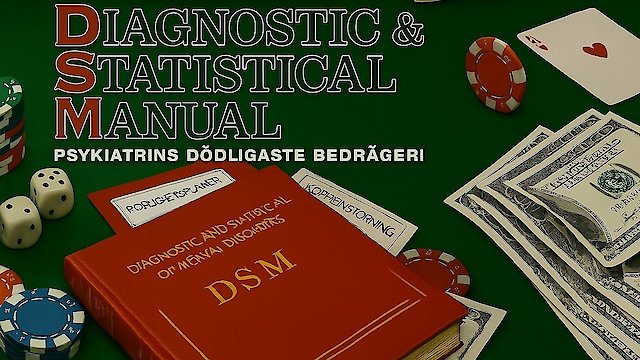
Diagnostic And Statistical Manual: Psychiatry's Deadliest Scam
Diagnostic And Statistical Manual: Psychiatry's Deadliest Scam
"When diagnosis becomes deception—unmasking the billion-dollar industry behind the DSM."
 7.4/10
Where to Watch Diagnostic And Statistical Manual: Psychiatry's Deadliest Scam

Diagnostic And Statistical Manual: Psychiatry's Deadliest Scam is a 2011 documentary featuring Lynn Alford-Burow, Fred A. Baughman, Richard Bentall, and Bart Billings. This raw and revealing movie uncovers the truth behind what the filmmakers consider to be psychiatry's most controversial guide, the Diagnostic Statistical Manual (DSM).
The film opens with an exploration of the various editions of the DSM, including its inception and all incremental modifications. The manual, which the film argues has expanded significantly from its initial configuration, classifies and provides diagnostic criteria for mental disorders, serving as the primary reference used by mental health professionals in diagnosing patients. Accompanied by interviews with a wide range of healthcare professionals, scholars, and experts, it gives a fresh and insightful perspective on the complexities faced by those on both sides of the debate.
Alford-Burow, featured in the documentary, brings a nuanced perspective to the film as a licensed psychologist herself. With the inclusion of Fred A. Baughman, a well-known neurologist and outspoken critic of psychiatric medication, the film provides a balanced dialogue, questioning some of the established practices and underlying assumptions in psychiatry.
Richard Bentall, a Professor of Clinical Psychology, lends extra credibility to the film with his research and expertise in the field. With decades of experience and extensive research, he is known for his criticism of mainstream psychiatric diagnoses and treatments, making him a significant contributor to the narrative of the movie.
Adding to this diverse array of experts is Bart Billings, a former military psychologist, whose discussions provide a unique perspective on the effects of the DSM application in a military setting. He shares his concerns of overdiagnosis and overmedication within military ranks, a powerful reminder that the implications of the DSM goes well beyond the typical clinical setting.
This film does more than just question the conventional beliefs surrounding the DSM. It actively dives deep into the complexities and incongruences of the DSM, while shedding light on the manual’s impact on society and exploring the ethical implications of its use. One of the central themes of the film is an examination of the controversial process in which disorders are added or removed. It investigates whether this process might be induced not by scientific findings but by the influence of pharmaceutical companies, societal pressures, and politics.
Though its provocative title may suggest a total denouncement of practices associated with the DSM, the documentary does not advocate for the absolute dismissal of psychiatric diagnoses or medication. Instead, it aims to spark a conversation about accountability, transparency, and ethics within the field of psychiatry. It presents a call to action for professionals to critically examine practices, question the status quo, and consider the long-term impacts on patients' lives when giving a diagnosis.
The filmmakers make a compelling case for the urgent need for reform. The film is heavily researched, combining historical context with firsthand testimonies and expert analysis to create a comprehensive view of the situation at hand. The presentation is clear and ambiguous enough to be intriguing for both laymen and professionals.
Overall, the film manages to shed light on the controversial, yet crucial subject matter of psychiatric diagnosis. Offering a controversial reviewing of the DSM's influence on psychiatry, this film presents the somber reality of a system purportedly in dire need of reform, paving the way for others to join the conversation about changing the face of mental health treatment.
The documentary is thought-provoking, challenging viewers to reconsider their views on mental health, diagnosis, medication, and the potential for misdiagnosis. It’s a sober reminder of the real-life human toll exacted by overdiagnosis and overtreatment and serves as a clarion call for greater honesty, humility, and humanity in mental health care.
“Diagnostic And Statistical Manual: Psychiatry's Deadliest Scam” is a must-see for anyone interested in the complexities and intricacies of mental health diagnosis and treatment. Whether you're a clinician, a patient, or simply a concerned citizen, this documentary offers a stark critique of mental health diagnosis's current state while providing a starting point for more profound conversations and potential solutions.
7.4/10