

Data Mining the Deceased
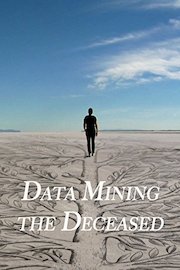
Data Mining the Deceased

Where to Watch Data Mining the Deceased

Data Mining the Deceased is an hour-long documentary film that takes an in-depth look at the genealogy industry and its intersection with science and big business. The film dives into the intriguing and contentious business of data mining, particularly as it pertains to genealogical research. It explores the many ways that data algorithms, when accurately applied, can reveal invaluable insights into our genetic past, familial connections, and ancestral links, crystallizing the truth hidden within our DNA and redefining our understanding of ourselves.
The movie presents the genealogy industry as a rapidly expanding frontier, a space undergoing revolutionary advancements facilitated by parallel developments in data sciences and genomics. A particular emphasis is placed on how these advancements are fueling a burgeoning global obsession with ancestry stemming from directives of self-discovery, legacy preservation, and connecting with our past.
However, Data Mining the Deceased doesn't limit itself to demonstrating the fascinating, positive applications of this technological advance. The film delves into the inherent ethical issues embedded in this industry as well. It critically explores the implications and effects of big corporations having access to vast repositories of personal genetic information. This aspect of the documentary sheds a spotlight on the delicate balance that exists between the pursuit of scientific advancement and the compromise of individual privacy.
The documentary contextualizes its central issue with a narrative centered around Ancestry.com, one of the world’s largest for-profit genealogy companies. It tells the story of a Utah-based company that has been gathering data from various public and private records worldwide. This helps the viewers to understand the scope of information available and the potential effects of its misuse.
While it acknowledges the benefits of genealogy databases to those tracing their family histories or researching medical backgrounds, the film poses critical questions. How far should we go to uncover our past? And who should have access to sensitive information discovered in the process?
Among these thought-provoking aspects, the film explores various complex issues, such as the commoditization of personal information, the risk of genetic discrimination, ethics, and associated legalities.
Interweaving stories of diverse individuals who tap into their family tree using these technological tools, the documentary explores the motivations behind their desire to look into their ancestry. The featured stories highlight critical societal dynamics, like the need for cultural identity, efforts for reconnecting to estranged families, or curiosity to trace the genetic origins of particular health conditions.
These personal stories, juxtaposed with insights from industry experts, provide a human dimension to the scientific and ethical discourse. Such an approach makes the documentary accessible to a broad audience, regardless of their prior knowledge or understanding of genetics or data mining.
The director, Julia Creet, keeps the narrative engaging by blending elements of science, technology, business, ethics, and personal stories. Her ruminations on the interplay of past, present, and future lend compelling complexity to the documentary. Her involving storytelling makes viewers contemplate the broader consequences of the business of ancestry.
Overall, Data Mining the Deceased provides viewers with a comprehensive understanding of the current state of the genealogy industry. It offers an intriguing look behind the scenes of this high tech world, bringing awareness to the opportunities and challenges presented by the rapid growth and commercialization of ancestry databases. Simultaneously, the film prompts its audience to reflect on larger questions about identity, family, history, privacy, and the ethical considerations posed by technological advancements.
In sum, Data Mining the Deceased is a challenging, thought-provoking documentary that navigates the intricate relationship between the past and the present. It poses critical questions around the ethical and social implications of genealogical data mining, and the potential impacts on our individual and collective identities. Whether you're a genealogy enthusiast, a technophile, or a casual viewer intrigued by societal dynamics, this documentary is sure to provide food for thought.