

Dandelion Wine
Dandelion Wine

Where to Watch Dandelion Wine

Dandelion Wine is a film adaptation of Ray Bradbury's semi-autobiographical novel, which captures the nostalgia and wonder of childhood set against the backdrop of a small Midwestern town during the summer of 1928. The movie beautifully explores themes of innocence, the passage of time, and the bittersweet nature of growing up, all while immersing viewers in the rich sensory experiences of summer.
The story revolves around twelve-year-old Douglas Spaulding, a bright and imaginative boy who is filled with a profound appreciation for life and the simple pleasures it brings. As summer unfolds, Douglas embarks on a journey of self-discovery, marked by moments of joy, curiosity, and poignant reflection. The film transports audiences to a world seen through the eyes of youth, where every day is an adventure waiting to be experienced.
From the very start, Dandelion Wine invites viewers into the vibrant world of Green Town, a fictional representation of Bradbury's own hometown of Waukegan, Illinois. The setting is rich with life—lush gardens, sun-drenched streets, and the intoxicating scent of blooming flowers. The cinematography captures the essence of summertime, with long, golden days that stretch into warm evenings filled with the sounds of laughter, cicadas, and the rustling of leaves. The visual and auditory sensory details serve as a conduit for nostalgia, allowing the audience to feel the warmth of summer and the thrill of youth.
Throughout the film, Douglas is surrounded by a colorful cast of characters who enrich his world and contribute to his understanding of life. His family, friends, and neighbors provide a tapestry of experiences that range from joyful to sorrowful, each interaction leaving a lasting imprint on his young soul. Douglas' relationship with his younger brother, his parents, and particularly his wise and whimsical grandmother showcases the complexities of familial bonds and the lessons passed down through generations.
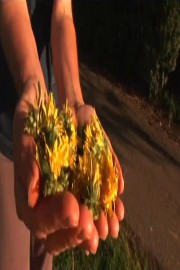
As Douglas engages with his friends, he discovers the thrill of adventure and the importance of camaraderie. They partake in endless games, imaginative escapades, and the simple joys of life, like picking dandelions and making dandelion wine. These moments are not merely events but milestones that capture the essence of childhood and its fleeting nature. However, the film also subtly weaves in the lessons and realizations that come with growing up, as Douglas navigates the uncertainties and challenges that accompany the transition from childhood to adolescence.
The narrative unfolds through a series of vignettes, each highlighting different aspects of life’s beauty and complexity. One moment may transmit the sheer delight of a simple adventure, while the next may touch on deeper themes of loss, change, and the fragility of happiness. The filmmakers adeptly balance lighthearted scenes with moments of contemplation, reflecting the mixture of joy and melancholy that often accompanies growing up.
The music score plays a crucial role in amplifying the emotional resonance of the film. The melodies evoke feelings of nostalgia, often mirroring Douglas’ internal journey as he learns to navigate the world around him. The soundtrack complements the picturesque visuals, enhancing the film’s dreamy quality and immersing the audience in the rich tapestry of Douglas’ experiences.
In addition to its exploration of childhood, Dandelion Wine also delves into the larger themes of time and memory. The film poignantly reflects on how memories shape our identities and the way we perceive our lives. As Douglas gathers experiences, each moment feels potent and deeply significant, mirroring how childhood memories often carry a sense of vividness that can fade or evolve as time marches on. The film prompts viewers to consider their own memories of summer and the bittersweet nature of fleeting time.
Dandelion Wine is not just a tale of a boy’s summer adventure; it is a poignant meditation on life itself. It exemplifies the beauty found in small moments and celebrates the joy of simply being. The film invites audiences to reminisce about their own youthful days, allowing them to reflect on the universal experiences of growing up—an exploration characterized by wonder, loss, and the inexorable passage of time.
Through its enchanting visuals, heartfelt storytelling, and rich character development, Dandelion Wine resonates with anyone who has ever cherished the simplicity of summer and contemplated the bittersweet journey of life. With a touch of magical realism woven throughout, it serves as a reminder of the importance of holding on to those cherished moments, much like the dandelion wine that captures the essence of a summer well-lived. As the credits roll, viewers are left with a sense of longing and appreciation for the ephemeral beauty of life, making Dandelion Wine a truly timeless cinematic experience.