

Daddy Can't Dance
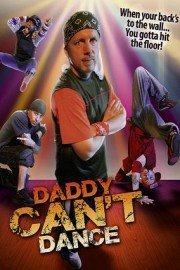
Daddy Can't Dance

Where to Watch Daddy Can't Dance

Daddy Can't Dance is an intriguing indie film offering a unique blend of music, drama, and faith. Directed by Gabriel Sabloff, this heartwarming father-daughter tale stars Pete Vinal, Elizabeth Robertson, Kaitlyn Cox, Stacia Crawford, Luis Dalmasy Jr., and Pete Everette. The film impressively rallies viewers around its central theme: The powerful love and bond far beyond dancing abilities that exist within the nucleus of a family.
The storyline revolves around the dynamic relationship between a retired professional dancer, whose character is convincingly played by Pete Vinal, and his audacious dance aspiring daughter Ashley, portrayed by talented and refreshing Elizabeth Robertson. Vinal’s character, Danny, once a celebrated dancer, has grown cynical and mournful after a tragic accident led to the end of his compelling career. His spirit may be broken, but when he puts on his dancing shoes, his passion and talent are undeniably evident.
On the other side of this narrative, we have Ashley, aspiring to become a professional dancer and take after her father's footsteps. As she navigates through the rigorous route towards her dream, her unwavering faith and determination turn out to be the inspirational driving force in the movie. She is inspired by her father's past success and idolizes him. Still, she experiences a continuous conflict with her father's cynical attitude towards her aspiration to become a dancer.
Feature newcomer Kaitlyn Cox plays the role of Vanessa, Ashley’s best friend and dancing partner, who offers enthusiastic support and is always there to lend an ear. In addition, Stacia Crawford gives a touching performance as Danny’s ex-wife and Ashley's mother, trying to navigate the delicate relationship between her daughter and ex-husband.
Always lurking in the film's background are the towering figures of Luis Dalmasy Jr. and Pete Everette. Their roles as competing dance coaches add a sense of rivalry and competition to the storyline. The tension between them brings an exquisite touch to the plot, as they symbolize contrasting dance styles and philosophies. Everette's character, especially, symbolizes the commercialization of dance while Luis Dalmasy, Jr. is a staunch defender of the traditional, spiritual spirit of dance.
One of the movie's greatest strengths is the juxtaposition of Danny's downfall with Ashley's rise. This element provides a nice balance and sheds light on the paradox of how one's loss can lead to another person's gain.
The cinematography of the movie is brilliant, using the art of dance as a tool of visual storytelling compellingly. The dance scenes are well-choreographed and depict the emotions of the characters authentically. The narrative is woven with the rhythmic movement of dance to create a multilayered story that pulls at the heartstrings in just the right moments.
The storyline does not fall short in exploring the themes of faith, hope, resilience, dreams, and the power of love and healing within a family. Additionally, the film encapsulates the quintessential struggles common to artist's life, such as the delicate balance of passion versus practicality, the unrelenting pursuit of dreams riddled with setbacks, and the complex challenge of leaving a legacy.
In summarization, Daddy Can't Dance is a film about dreams, relationships and music. It is a touching narrative where dance becomes a metaphor for life's ups and downs, striving and giving up, bonding and falling apart. The film is an aesthetically pleasing journey that showcases a tear-jerking father-daughter relationship, budding friendships, and rivalries while revealing the realistic struggles in the world of dance and music with grace and dignity. The characters are relatable, the story is inspiring, and the delivery is spot-on, resulting in an indie gem that's worth a watch.