
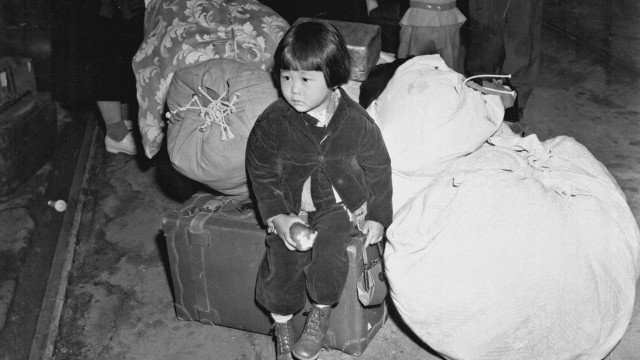
Children of the Camps
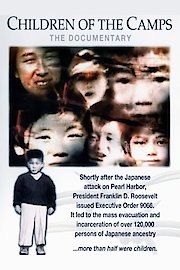
Children of the Camps

Where to Watch Children of the Camps

Children of the Camps is a thought-provoking, eye-opening, and heart-touching 1999 documentary that uncovers one of the darkest moments in American history, narrated through the unique perspectives of those who lived to tell the tale.
The movie features Howard Ikemoto, Satsuki Ina, and Marion Kanemoto, sharing stories and memories from their traumatic experiences as children during World War II. This documentary is not actors playing roles, not re-enactments or dramatizations, but real people bearing witness to their experiences. The cast provides an emotionally hope-laden and palpable atmosphere that propels audiences to deeply connect with a part of history that is often overlooked or brushed under the carpet.
Children of the Camps is more than just a biographical documentary—it is a rare glimpse into the internment of Japanese-Americans, a historical event that transpired shortly after the horrifying bombing of Pearl Harbor by the Japanese. The US government, viewing people of Japanese descent as potential threats, ordered everyone of this heritage to be incarcerated in internment camps, regardless of their citizenship status, across barren and isolated parts of the country.
Though the documentary revolves around appallingly painful episodes of the past, it does not lack the human element, offering a profound perspective on the lives and psyche of innocent individuals who were subjected to this ruthless racial discrimination. Racial profiling and social ostracization drastically changed the course of their lives at a tender age, leaving deep-rooted imprints that persisted even after their release.
Every shared story in the Children of the Camps paints a vivid picture of life inside the internment camps, tapping into a broad spectrum of emotions experienced by these innocent children. It showcases not just the fear, the humiliation, and the trauma they faced, but also the resilience and courage they mustered, how they adapted to their oppressive surroundings, and found ways to thrive in them. It teaches viewers about survival, resilience, and the healing power of opening up about suppressed feelings and traumas.
The documentary begins with a reunion of six Japanese-Americans, who as children were detained in these internment camps. Under the guidance of Dr. Satsuki Ina, a renowned psychotherapist and also a former internee, the reunion serves as a pseudo therapeutic session where these individuals share the narratives of their experiences, voice their traumas, and confront their pasts.
A fascinating aspect of Children of the Camps is its exploration of the silenced suffering these individuals experienced, underpinning the theme of human strength, endurance, and compassion, and how such massive-scale injustice impacts the lives of individuals and shapes their future selves. It lays bare the persistent psychological and social repercussions of such trauma, not only on those who directly experienced it, but also on subsequent generations.
This documentary also educates viewers about the societal and political environment of the time, allowing a holistic understanding of the events that transpired. The presentation is augmented by historical images, footage, and interviews, providing compelling context and adding depth to the personal narratives. The raw and unfiltered accounts supported by these visual elements make the tales more evocative and impactful.
Children of the Camps transcends the domain of being just a historical documentary. It signifies the importance of sharing suppressed trauma and encourages open, empathetic conversations about societal and racial injustices. In doing so, the documentary becomes an appeal to the collective conscience to prevent the repetition of such actions, reinforcing the value of shared humanity, inclusivity, empathy, and understanding in our society. It brings to light that it is crucial to remember and understand our history, especially its most discomforting parts, so as to not repeat it.
Architecturally, Children of the Camps can be seen as a thorough study of human spirit, resilience, and the long-term effects of denigration. This documentary, heartbreaking yet inspirational, manifests a profound narrative that resonates with viewers on a personal level. It presents a sober testament of historical truth that needs to be remembered as a part of our shared history.