

Chernobyl Reclaimed
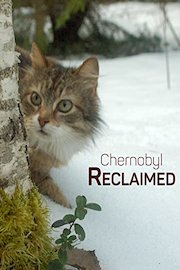
Chernobyl Reclaimed

Where to Watch Chernobyl Reclaimed

Chernobyl Reclaimed is a compelling and thought-provoking documentary that invites viewers to enter the tragic history and the shocking aftermath of the Chernobyl nuclear disaster. Insightfully digging deeper into the cataclysm that occurred in 1986, the film interweaves testimonies, rare archival footage, and expert insights, unraveling an unseen narrative beyond the headlines.
Produced by National Geographic, this documentary is not a mere presentation of fear or nuclear cynicism. Instead, it is an exploration of the human and environmental impact of one of history's worst man-made disasters. It is a heartfelt story of the people who survived the catastrophe, their agonizing experiences, and their unwavering hope and determination to rebuild their lives amidst ruin.
The documentary starts by revisiting the events that led to the catastrophe on April 26, 1986, in the nuclear power plant at Chernobyl, then in the USSR, and currently, a part of Northern Ukraine. It precisely uncovers the domino effect of errors and poor decisions that escalated into an unparalleled nuclear calamity, causing an uncontrolled radioactive release into the environment. Experts and witnesses present the incidents in a way that is informative and graspable for the viewers, ensuring the gravity of the disaster does not get lost in the technical jargon of nuclear science.
However, what makes Chernobyl Reclaimed stand out among other films about the incident is its focus on the aftermath and the continued repercussions rather than confining themselves to the events of the disaster. The documentary explores the 30 kilometer 'exclusion zone,' an uninhabitable place heavily contaminated by radiation, where nature has begun to reclaim the abandoned buildings and towns. It investigates how wildlife is strangely flourishing in the absence of humans and delves into the new ecosystems that have come alive amidst the deceptive silence.
Integral to Chernobyl Reclaimed are the heart-wrenching stories of victims, survivors, and responders, drawing attention to the human aspect of this nuclear catastrophe. The film highlights the plight of Chernobyl's 'liquidators' – the firefighters, engineers, and military personnel, who bravely battled the disaster's immediate consequences and were later stricken with severe health issues. It also examines the thousands still living perilously close to the disaster zone, choosing to return to their ancestral homes, enduring the shadows of an invisible killer – radiation.
Another fascinating angle of the film is the introduction of 'Stalkers,' a community of explorers and adrenaline junkies who navigate the dangerous exclusion zone for thrill, scrap metal, or to interact with the past. Their curious motives and actions become a thought-provoking insight into the human fascination with disaster zones and our persistent attempts to confront our fears and uncertainties.
Wrapped in its raw and honest narrative are interdisciplinary dialogues on nuclear power, environmental resilience, societal trauma, and long-term humanitarian relief efforts, making Chernobyl Reclaimed an ideal watch for anyone intrigued by history, science, environmental studies, and social anthropology.
The spectacle of desolation depicted through stunning cinematography makes the viewers ponder upon the gravity of the disaster, the fragility of human existence, the resilience of nature, and the profound implications of technological failures. The haunting imagery coupled with an immersive soundtrack makes the film an engaging and emotional experience.
Chernobyl Reclaimed encourages viewers to look at the Chernobyl catastrophe from a more holistic and nuanced perspective. It is a stark reminder of humans' capacity for resilience and endurance in the face of profound tragedy, an intimate exploration of a community's struggle for reconciliation, and a testament to nature's indomitable spirit of reclamation. It forces us to ruminate on the age-old philosophical question – in the quest for progress, what costs are we willing to bear?